
Workers’ Rights: Advancing Dignity, Equality, Justice, and Decent Work
International Human Rights Organization World Society (IHRO World Society)
Introduction
Workers are the foundation of every economy and an essential part of every society.
Every person who works has the right to be treated with dignity, equality, fairness, and respect. Workers have the right to safe and healthy working conditions, fair remuneration, reasonable working hours, freedom from discrimination, freedom from forced labour, and the ability to organize and collectively defend their legitimate interests.
Workers’ rights are therefore not simply employment benefits. They are human rights.
The Universal Declaration of Human Rights (UDHR) recognizes the right to work, the free choice of employment, just and favorable conditions of work, protection against unemployment, equal pay for equal work, just remuneration, and the right to form and join trade unions (United Nations, 1948).
The International Labour Organization (ILO) further establishes fundamental principles and rights at work, including freedom of association and collective bargaining, elimination of forced labour and child labour, elimination of discrimination, and a safe and healthy working environment.
For the International Human Rights Organization World Society (IHRO World Society), protecting workers’ rights is an essential part of advancing human dignity, social justice, equality, economic inclusion, peace, and sustainable development.
What Are Workers’ Rights?
Workers’ rights are the legal, social, economic, and human-rights protections that enable people to work in conditions that respect their dignity and well-being.
These rights include:
- The right to work and freely choose employment.
- The right to fair and just remuneration.
- Equal pay for equal work.
- The right to safe and healthy working conditions.
- Reasonable working hours and rest.
- Protection from discrimination.
- Freedom from forced labour.
- Protection from child labour.
- Freedom of association.
- The right to collective bargaining.
- Protection from violence and harassment.
- Access to social protection.
- Access to effective remedies and justice.
- Protection against unfair treatment and retaliation.
Workers should never have to sacrifice their health, dignity, safety, or fundamental rights simply to earn a living.
Workers’ Rights and Human Rights
Human rights apply in the workplace just as they apply everywhere else.
A worker does not leave their human rights at the workplace entrance.
The principles of dignity, equality, non-discrimination, freedom, and security must be respected throughout employment relationships.
A human-rights-based approach to labour emphasizes:
Dignity + Equality + Safety + Freedom + Fairness + Participation + Accountability
Respect for workers’ rights benefits not only workers but also employers, businesses, communities, and economies.
When workers are treated fairly, workplaces can become safer, more productive, more stable, and more sustainable.
The ILO Fundamental Principles and Rights at Work
The ILO Declaration on Fundamental Principles and Rights at Work, adopted in 1998 and amended in 2022, identifies five fundamental areas:
- Freedom of association and the effective recognition of the right to collective bargaining.
- The elimination of all forms of forced or compulsory labour.
- The effective abolition of child labour.
- The elimination of discrimination in respect of employment and occupation.
- A safe and healthy working environment.
The ILO considers these principles fundamental to social justice and decent work.
These principles provide a foundation for building workplaces where workers can contribute productively while maintaining their dignity and rights.
Right to Decent Work
The concept of decent work goes beyond simply having a job.
Decent work means productive employment that provides fair income, security, social protection, opportunities for personal development, participation, and equality.
SDG 8: Decent Work and Economic Growth calls for sustained, inclusive, and sustainable economic growth, full and productive employment, and decent work for all. The ILO identifies workers’ rights, employment, earnings, occupational safety, informal employment, and child labour as important dimensions of SDG 8.
A job should provide people with the opportunity to build a dignified life—not simply survive.
Fair Wages and Equal Pay
Fair remuneration is a fundamental component of workers’ dignity.
Workers should receive wages that are paid regularly, transparently, and in accordance with applicable laws and employment agreements.
The principle of equal pay for equal work is also a fundamental human-rights standard. Article 23 of the UDHR explicitly recognizes the right to equal pay for equal work and to just and favourable remuneration.
Gender equality must also be reflected in employment and remuneration.
Women should not receive lower pay simply because they are women.
Fair wages should also be considered alongside working hours, productivity, living costs, social protection, and the broader economic context.
Safe and Healthy Working Environment
Every worker has the right to work in an environment that protects their life, health, and safety.
Occupational safety and health should include:
- Safe machinery and equipment.
- Appropriate personal protective equipment.
- Workplace risk assessment.
- Emergency preparedness.
- Fire and electrical safety.
- Safe chemical management.
- Adequate ventilation.
- Clean drinking water.
- Sanitation facilities.
- First-aid arrangements.
- Occupational health services.
- Safety training.
- Reporting mechanisms for hazards.
In 2022, the ILO formally recognized a safe and healthy working environment as a fundamental principle and right at work.
Workplace safety should therefore never be treated as an optional benefit.
No job should cost a worker their health or their life.
Freedom of Association and Collective Bargaining
Workers should be able to organize and express their collective interests without intimidation, discrimination, or retaliation.
Freedom of association and collective bargaining are among the ILO’s fundamental principles and rights at work.
Workers’ organizations and trade unions can provide important mechanisms for:
- Collective representation.
- Workplace dialogue.
- Negotiation.
- Grievance resolution.
- Protection of legitimate interests.
- Improvement of working conditions.
- Social dialogue.
Constructive dialogue between workers, employers, and governments can contribute to more stable and equitable labour relations.
Freedom from Forced Labour
No person should be forced to work through violence, threats, coercion, deception, or other forms of involuntary control.
Forced labour is a serious violation of human rights and one of the fundamental areas covered by the ILO Declaration on Fundamental Principles and Rights at Work.
Effective prevention requires:
- Strong labour laws.
- Workplace monitoring.
- Responsible recruitment.
- Protection of migrant workers.
- Access to complaints mechanisms.
- Identification of exploitation.
- Effective investigation and remedies.
Workers must be free to enter employment voluntarily and to exercise their rights without coercion.
Elimination of Child Labour
Children have the right to education, development, protection, and a safe childhood.
Child labour can interfere with education, health, safety, and long-term development.
The elimination of child labour is one of the ILO’s fundamental principles and rights at work.
Businesses and employers have an important responsibility to ensure that their operations and supply chains do not contribute to child labour.
Ending child labour also requires addressing its root causes, including poverty, lack of education, inadequate social protection, and economic vulnerability.
Equality and Non-Discrimination at Work
Every worker deserves equal treatment.
Discrimination in employment may occur on the basis of gender, disability, age, race, ethnicity, religion, social origin, or other protected characteristics under applicable law and international standards.
The ILO identifies the elimination of discrimination in employment and occupation as a fundamental principle and right at work.
Workplaces should promote:
- Equal opportunity.
- Fair recruitment.
- Equal pay.
- Inclusive employment.
- Reasonable accommodation where appropriate.
- Zero tolerance for discriminatory harassment.
- Transparent promotion systems.
- Respectful workplace culture.
A worker’s dignity should never depend on who they are.
Women Workers’ Rights
Women are an essential part of the global workforce.
Yet women can experience unequal pay, occupational segregation, harassment, discrimination, limited leadership opportunities, and disproportionate unpaid care responsibilities.
Women workers should have equal rights to:
- Employment.
- Equal pay.
- Career advancement.
- Leadership.
- Workplace safety.
- Maternity protection.
- Social protection.
- Freedom from sexual harassment and violence.
- Skills development.
- Economic opportunity.
Protecting women workers’ rights directly supports SDG 5: Gender Equality as well as SDG 8.
Gender equality must be part of workplace policies, organizational culture, recruitment, remuneration, promotion, safety, and leadership.
Protection from Violence and Harassment
Every worker has the right to a workplace free from violence and harassment.
Violence and harassment can take physical, psychological, sexual, verbal, or digital forms.
Employers should establish:
- Clear workplace policies.
- Confidential reporting channels.
- Appropriate investigation procedures.
- Protection against retaliation.
- Awareness and prevention programs.
- Support and referral mechanisms.
- Appropriate disciplinary measures.
The workplace should be an environment where people can work without fear, intimidation, humiliation, or abuse.
Working Hours, Rest, and Leave
Workers are entitled to reasonable working hours and adequate rest.
The UDHR recognizes the right to rest and leisure, including reasonable limitation of working hours and periodic holidays with pay (United Nations, 1948).
Excessive working hours can negatively affect:
- Physical health.
- Mental well-being.
- Family life.
- Workplace safety.
- Productivity.
- Quality of life.
Responsible employment practices should therefore respect lawful working-hour limits, rest periods, leave entitlements, and work-life balance.
Social Protection
Workers and their families may face significant risks from illness, injury, unemployment, disability, maternity, old age, or other life events.
Social protection can help reduce vulnerability and provide greater economic security.
The UDHR recognizes the right to social security and to economic, social, and cultural rights necessary for human dignity (United Nations, 1948).
Workers’ rights should therefore be considered together with broader systems of:
- Social insurance.
- Healthcare.
- Maternity protection.
- Disability support.
- Unemployment protection.
- Pension systems.
- Occupational injury protection.
Migrant and Informal Workers
Migrant workers and workers in informal employment can face particular vulnerabilities.
These may include:
- Lack of written contracts.
- Irregular or delayed wages.
- Unsafe working conditions.
- Limited social protection.
- Recruitment-related exploitation.
- Barriers to legal remedies.
- Discrimination.
- Limited access to information.
Workers’ rights must apply regardless of whether employment occurs in formal or informal settings, while legal protections should be strengthened for workers who face heightened vulnerability.
Workers’ Rights in Bangladesh
Bangladesh’s economy depends heavily on millions of workers across sectors including garments and textiles, agriculture, construction, transport, services, domestic work, manufacturing, and other industries.
The country has also been engaged in ongoing labour reforms and efforts to strengthen decent work and fundamental principles and rights at work.
In 2025, Bangladesh ratified the ILO Occupational Safety and Health Convention, 1981 (No. 155), Promotional Framework for Occupational Safety and Health Convention, 2006 (No. 187), and Violence and Harassment Convention, 2019 (No. 190). The ILO reported that these ratifications made Bangladesh the first country in South Asia to ratify Convention No. 190 and brought Bangladesh to ratification of all 11 ILO fundamental instruments.
Bangladesh is also implementing an ILO-supported Advancing Decent Work in Bangladesh project involving the Government, workers’ organizations, and employers’ organizations, with objectives including strengthening labour rights and promoting safe working environments.
These developments provide an important foundation for continued progress.
However, effective implementation remains essential. Workers must be able to experience their rights in practice, not only in legislation or policy.
Rights on paper must become rights in the workplace.
Workers’ Rights and the Garment Sector
Bangladesh’s ready-made garment sector has a major role in employment and economic development.
Workers in labour-intensive industries require particular attention to:
- Occupational safety.
- Fair wages.
- Working hours.
- Freedom of association.
- Collective bargaining.
- Workplace grievance mechanisms.
- Gender equality.
- Prevention of harassment.
- Social protection.
- Responsible supply chains.
International buyers, manufacturers, employers, workers’ organizations, regulators, and civil society all have roles in promoting responsible labour practices.
A sustainable supply chain cannot be built on exploitation.
Sustainable production requires respect for workers’ rights.
Workers’ Rights and Climate Change
Climate change is transforming the world of work.
Workers may face increased exposure to:
- Extreme heat.
- Flooding.
- Cyclones.
- Air pollution.
- Water scarcity.
- Climate-related displacement.
- Loss of livelihoods.
The ILO identifies occupational safety and health as a central dimension of decent work, while climate-related risks increasingly require adaptation of workplaces and employment systems.
A just transition should ensure that workers are not left behind as economies move toward cleaner and more sustainable production.
Green jobs should also be decent jobs.
Workers’ Rights and the Sustainable Development Goals
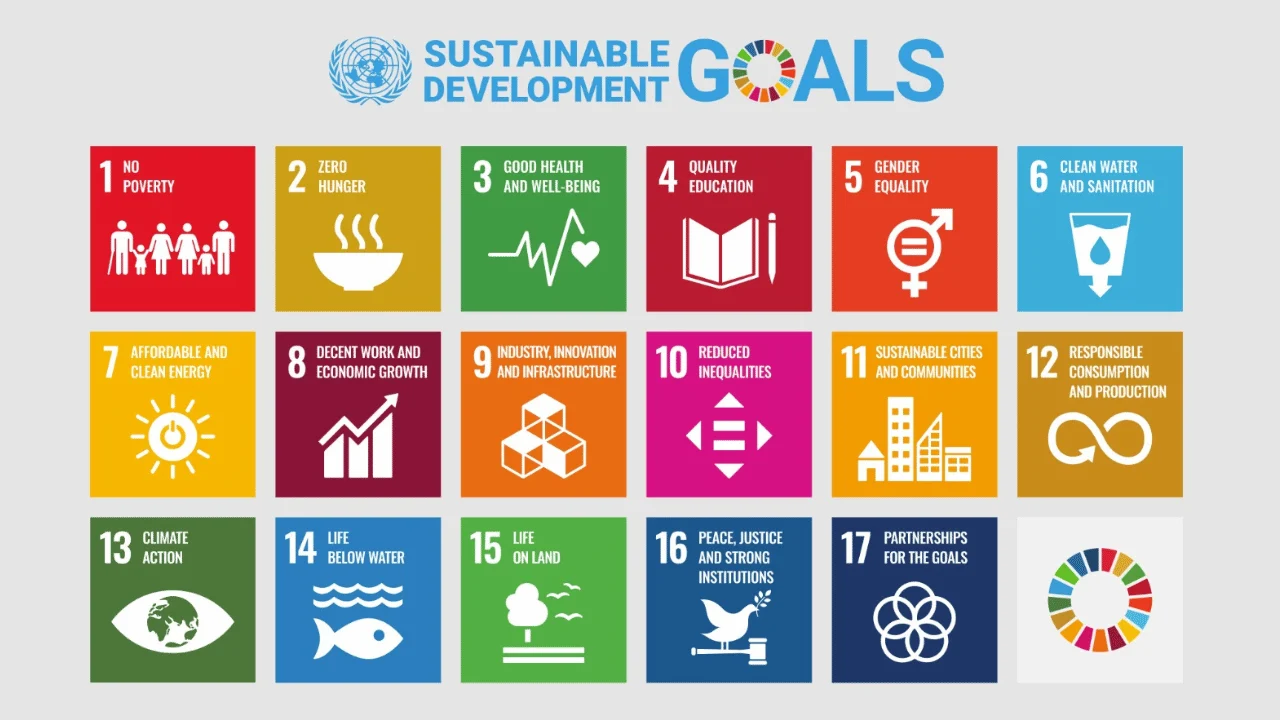
Workers’ rights are directly connected with several Sustainable Development Goals.
SDG 1 – No Poverty
Decent employment and fair income can help reduce poverty and economic vulnerability.
SDG 3 – Good Health and Well-Being
Safe workplaces and occupational health protections contribute to workers’ physical and mental well-being.
SDG 5 – Gender Equality
Equal pay, equal opportunity, women’s leadership, and protection from workplace violence support gender equality.
SDG 8 – Decent Work and Economic Growth
SDG 8 is the central global development goal for decent work, productive employment, workers’ rights, and inclusive economic growth.
SDG 10 – Reduced Inequalities
Fair employment systems can reduce social and economic inequality.
SDG 16 – Peace, Justice and Strong Institutions
Effective labour institutions, access to justice, accountability, and social dialogue strengthen good governance.
SDG 17 – Partnerships for the Goals
Workers’ rights require collaboration among governments, employers, workers’ organizations, civil society, businesses, and international institutions.
The United Nations emphasizes that achieving SDG 8 requires expanding decent employment, protecting workers’ rights, and building inclusive labour markets.
The Role of IHRO World Society
The International Human Rights Organisation World Society (IHRO World Society) recognizes workers’ rights as an integral part of human rights and social justice.
IHRO World Society seeks to contribute to the promotion of workers’ rights through:
- Human-rights education.
- Workers’ rights awareness.
- Decent-work advocacy.
- Occupational safety and health awareness.
- Gender equality in the workplace.
- Prevention of child labour.
- Awareness against forced labour.
- Anti-discrimination initiatives.
- Community-based worker education.
- Workplace rights awareness.
- Volunteer engagement.
- Stakeholder partnerships.
- Promotion of responsible and ethical employment practices.
- Support for the Sustainable Development Goals.
Our approach is guided by a simple principle:
“Protect Workers’ Rights. Respect Human Dignity. Promote Decent Work.”
IHRO World Society believes that economic development should never be achieved at the expense of human dignity.
The Role of Employers
Employers have a fundamental responsibility to create workplaces where workers can perform their duties safely and fairly.
Responsible employers should:
- Respect labour laws and international standards.
- Provide safe working conditions.
- Pay wages fairly and on time.
- Prevent discrimination.
- Prevent violence and harassment.
- Respect workers’ freedom of association.
- Provide appropriate training.
- Establish effective grievance mechanisms.
- Protect workers from retaliation.
- Maintain responsible supply chains.
Good labour practices are not merely compliance requirements. They are an investment in people and organizational sustainability.
The Role of Workers
Workers also have an important role in creating safer and more responsible workplaces.
Workers can contribute by:
- Learning about their rights.
- Following safety procedures.
- Reporting workplace hazards.
- Participating in safety training.
- Supporting respectful workplace culture.
- Using appropriate protective equipment.
- Participating constructively in social dialogue.
- Reporting exploitation or abuse through appropriate mechanisms.
Knowledge of rights can strengthen workers’ ability to protect themselves and others.
An informed worker is a stronger rights-holder.
The Role of Governments
Governments have a critical responsibility to establish and enforce effective labour laws and institutions.
This includes:
- Labour legislation.
- Labour inspection.
- Occupational safety systems.
- Social protection.
- Dispute-resolution mechanisms.
- Access to justice.
- Worker protection.
- Prevention of child and forced labour.
- Protection against discrimination.
- Support for social dialogue.
Strong institutions help transform international labour principles into practical protections.
Partnerships for Workers’ Rights
Workers’ rights cannot be advanced by one institution alone.
Meaningful progress requires cooperation among:
Government + Workers + Employers + Trade Unions + Civil Society + Businesses + International Organizations + Communities
Such partnerships can strengthen:
- Labour standards.
- Workplace safety.
- Worker education.
- Research.
- Policy reform.
- Responsible business practices.
- Social dialogue.
- Supply-chain accountability.
- Access to remedy.
This collaborative approach is directly aligned with SDG 17: Partnerships for the Goals.
A Call to Action
Workers’ rights require action—not merely commitments.
Governments must strengthen labour governance and enforcement.
Employers must create safe, fair, and inclusive workplaces.
Workers must be empowered with knowledge of their rights.
Businesses must build responsible supply chains.
Civil society organizations must educate, advocate, monitor, and promote accountability.
Consumers and investors can also encourage responsible business practices by supporting organizations that respect labour and human-rights standards.
Economic growth should create dignity—not exploitation.
Conclusion
Workers are not simply units of labour.
They are human beings, families, community members, rights-holders, and contributors to economic and social progress.
A truly sustainable economy is one in which economic growth and human dignity advance together.
Workers deserve workplaces where they can earn a livelihood without sacrificing their health, safety, equality, freedom, or dignity.
For IHRO World Society, the commitment is clear:
Protect Workers’ Rights. Defend Human Dignity. Promote Safe Work. Advance Social Justice.
When workers’ rights are respected, workplaces become stronger, communities become more resilient, economies become more inclusive, and societies move closer to justice and sustainable development.
“Workers’ Rights Are Human Rights. Decent Work Is a Foundation of Human Dignity.”
References
International Labour Organization. (1998/2022). ILO Declaration on Fundamental Principles and Rights at Work and its follow-up. International Labour Organization.
International Labour Organization. (2020). Fundamental principles and rights at work fact sheet. International Labour Organization.
International Labour Organization. (2022). A safe and healthy working environment is a fundamental principle and right at work. International Labour Organization.
International Labour Organization. (2025). Fundamental principles and rights at work: A critical crossroads. International Labour Organization.
International Labour Organization. (2025). Understanding rights at work: A guide to key terms related to fundamental principles and rights at work, trade and supply chains. International Labour Organization.
International Labour Organization. (2026). Advancing decent work in Bangladesh. International Labour Organization.
United Nations. (1948). Universal Declaration of Human Rights. United Nations.
United Nations. (2015). Transforming our world: The 2030 Agenda for Sustainable Development. United Nations.
United Nations. (2026). Goal 8: Decent work and economic growth. United Nations.