
Rights of Vulnerable and Persons with Disabilities: Dignity, Equality, Inclusion, and Participation
International Human Rights Organisation World Society (IHRO World Society)
Introduction
Human rights belong to every person equally.
Yet many people remain unable to fully enjoy their rights because of poverty, disability, discrimination, social exclusion, geographic isolation, age, gender, displacement, emergencies, or other circumstances that create barriers to participation.
Persons with disabilities and people living in vulnerable situations are not objects of charity. They are rights-holders, citizens, community members, workers, learners, leaders, and equal participants in society.
The modern human-rights approach to disability is based on dignity, equality, autonomy, accessibility, inclusion, participation, and non-discrimination. The United Nations Convention on the Rights of Persons with Disabilities (CRPD), adopted in 2006, helped establish this rights-based approach internationally. In 2026, the United Nations is marking the 20th anniversary of the CRPD and emphasizing its continuing importance for dignity, equality, autonomy, accessibility, and full participation.
The Universal Declaration of Human Rights (UDHR) establishes that all human beings are born free and equal in dignity and rights (United Nations, 1948).
For IHRO World Society, protecting the rights of vulnerable people and persons with disabilities is therefore not simply a social responsibility.
It is a human-rights obligation and a commitment to equality and human dignity.
Who Are Vulnerable People?
The term “vulnerable” should be used carefully.
Vulnerability is often created not by a person’s identity itself, but by social, economic, environmental, institutional, or physical barriers that prevent equal participation.
People may experience increased vulnerability because of:
- Poverty.
- Disability.
- Age.
- Gender inequality.
- Childhood.
- Social exclusion.
- Displacement.
- Natural disasters.
- Climate-related emergencies.
- Lack of access to education.
- Unemployment.
- Unsafe working conditions.
- Violence or exploitation.
- Lack of healthcare.
- Geographic isolation.
- Digital exclusion.
A person may experience several forms of vulnerability at the same time.
For example, a woman with a disability living in a rural and climate-vulnerable community may face multiple barriers to education, healthcare, employment, transportation, and participation.
Human-rights protection must therefore recognize intersectionality and individual circumstances.
Understanding Disability Through a Human-Rights Lens
Disability should not be understood solely as a medical condition.
The CRPD promotes a human-rights-based understanding in which disability results from the interaction between impairments and barriers that hinder full and effective participation in society.
Bangladesh’s Rights and Protection of Persons with Disabilities Act, 2013 similarly defines disability in relation to long-term impairments and the interaction of attitudinal and environmental barriers that may prevent equal and effective participation in society.
This approach changes the central question.
Instead of asking:
“What is wrong with the person?”
society should ask:
“What barriers are preventing this person from participating equally?”
Those barriers may include:
- Inaccessible buildings.
- Inaccessible transportation.
- Lack of sign-language interpretation.
- Inaccessible information.
- Negative attitudes.
- Discrimination.
- Lack of assistive technology.
- Inaccessible digital platforms.
- Limited educational opportunities.
- Employment discrimination.
Removing these barriers is a shared responsibility.
The Rights of Persons with Disabilities
The CRPD recognizes a broad range of rights designed to ensure that persons with disabilities can enjoy human rights on an equal basis with others.
These include rights relating to:
- Equality and non-discrimination.
- Accessibility.
- Life and dignity.
- Equal recognition before the law.
- Access to justice.
- Freedom from violence, exploitation, and abuse.
- Liberty and security.
- Freedom of expression and access to information.
- Privacy.
- Education.
- Health.
- Employment.
- Adequate standard of living.
- Social protection.
- Participation in political and public life.
- Recreation, leisure, and sport.
The Convention emphasizes that persons with disabilities must be able to participate fully and effectively in society.
Equality and Non-Discrimination
Equality is at the heart of human rights.
Persons with disabilities should not be discriminated against in:
- Education.
- Employment.
- Healthcare.
- Housing.
- Public services.
- Transportation.
- Political participation.
- Social protection.
- Justice systems.
- Digital services.
Bangladesh’s Rights and Protection of Persons with Disabilities Act, 2013 prohibits discrimination concerning the rights of persons with disabilities and provides mechanisms for seeking compensation where discriminatory treatment causes harm.
Equality does not mean treating everyone identically. It means ensuring that everyone can enjoy their rights equally.
Accessibility Is a Human Right
Accessibility is essential for meaningful participation.
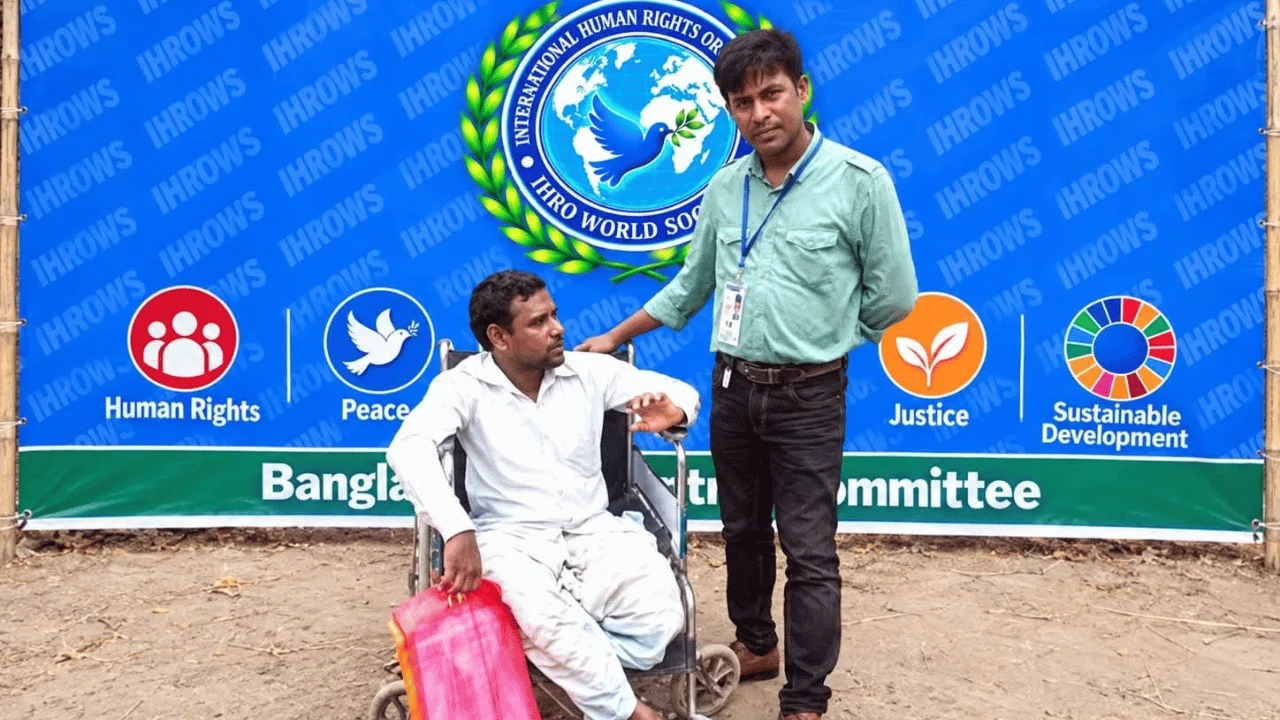
A building may be technically open to everyone but effectively inaccessible to a wheelchair user.
A website may contain information but remain inaccessible to a person using a screen reader.
A public announcement may exist but exclude a person who is deaf if no accessible communication is provided.
Accessibility therefore includes:
- Physical accessibility.
- Transportation accessibility.
- Information accessibility.
- Communication accessibility.
- Digital accessibility.
- Educational accessibility.
- Healthcare accessibility.
Accessible design benefits everyone.
Accessibility is not a special favour. It is a pathway to equality.
Right to Education
Every child and young person, including children with disabilities, has the right to education.
Inclusive education should ensure that learners with disabilities can participate in education alongside others, with appropriate support and reasonable accommodation.
This may require:
- Accessible schools.
- Inclusive classrooms.
- Trained teachers.
- Sign-language support.
- Braille and accessible materials.
- Assistive technologies.
- Accessible transportation.
- Individual learning support.
- Anti-bullying measures.
Bangladesh’s legal and policy framework recognizes the importance of education for persons with disabilities and includes provisions supporting disability-inclusive education.
No child should be denied education because of disability.
Right to Health
Persons with disabilities have the same right to the highest attainable standard of health as everyone else.
Healthcare must be:
- Accessible.
- Affordable.
- Available.
- Acceptable.
- Non-discriminatory.
- Respectful.
Barriers can include inaccessible hospitals, lack of communication support, transportation difficulties, financial hardship, inadequate information, and discriminatory attitudes.
Healthcare professionals should respect the dignity, autonomy, privacy, and informed participation of persons with disabilities.
Right to Work and Decent Employment
Persons with disabilities have the right to work on an equal basis with others.
Employment opportunities should be free from discrimination and should provide:
- Equal opportunity.
- Equal pay for work of equal value.
- Safe working conditions.
- Reasonable accommodation.
- Career development.
- Skills training.
- Promotion opportunities.
- Protection from harassment.
The principles of decent work and non-discrimination also connect disability rights with SDG 8: Decent Work and Economic Growth.
For vulnerable workers, employment can be a major pathway out of poverty and social exclusion.
Disability should never be treated as a reason to deny someone the opportunity to work, contribute, and lead.
Women and Girls with Disabilities
Women and girls with disabilities may experience multiple and overlapping forms of discrimination.
They may face barriers involving:
- Education.
- Healthcare.
- Employment.
- Safety.
- Reproductive health.
- Political participation.
- Economic independence.
- Access to justice.
The CRPD specifically recognizes the need to address the multiple discrimination experienced by women and girls with disabilities.
Therefore, disability inclusion must also be gender-responsive.
This connects disability rights with SDG 5: Gender Equality.
No disability-rights agenda is complete without protecting the rights of women and girls with disabilities.
Children with Disabilities
Children with disabilities require special attention to ensure that their rights are protected from the earliest stages of life.
They have the right to:
- Family life.
- Education.
- Healthcare.
- Protection from violence.
- Participation.
- Play and recreation.
- Identity.
- Accessible communication.
- Development of their abilities.
Children with disabilities must be heard in decisions affecting their lives, in accordance with their age and maturity.
Protection should never mean excluding children from participation.
Every child has abilities, aspirations, and a future.
Protection from Violence, Exploitation, and Abuse
Persons with disabilities may face heightened risks of violence, exploitation, neglect, and abuse.
The CRPD requires States Parties to take appropriate measures to protect persons with disabilities from exploitation, violence, and abuse and to ensure that protection services are sensitive to age, gender, and disability.
Protection mechanisms should include:
- Safe reporting systems.
- Accessible complaint procedures.
- Legal assistance.
- Community awareness.
- Safeguarding policies.
- Trained professionals.
- Psychosocial support.
- Effective investigation.
- Accountability.
Every organization working with vulnerable people should have clear safeguarding standards.
Right to Justice
Justice systems must be accessible to persons with disabilities.
This may require:
- Accessible courts.
- Accessible legal information.
- Sign-language interpretation.
- Easy-to-understand communication.
- Legal aid.
- Procedural accommodations.
- Accessible complaint mechanisms.
A right that cannot be effectively exercised is not fully protected.
Justice must be accessible to everyone—including people who communicate, move, learn, or perceive information differently.
Political and Civic Participation
Persons with disabilities have the right to participate in political and public life.
This includes opportunities to:
- Vote.
- Stand for public office.
- Participate in public consultations.
- Join civil-society organizations.
- Advocate for their communities.
- Lead organizations.
- Participate in decision-making.
The principle should be:
“Nothing about us without us.”
Policies affecting persons with disabilities should meaningfully involve persons with disabilities and their representative organizations.
Digital Inclusion
Digital technology can empower vulnerable communities.
It can provide access to:
- Education.
- Employment.
- Government services.
- Healthcare information.
- Financial services.
- Communication.
- Human-rights information.
But digital exclusion can create new inequalities.
Websites, mobile applications, online forms, educational platforms, and digital public services should be designed with accessibility in mind.
Digital inclusion should consider:
- Screen-reader compatibility.
- Captioning.
- Keyboard navigation.
- Accessible design.
- Plain language.
- Sign-language resources where appropriate.
- Affordable connectivity.
- Digital literacy.
A digital society must also be an accessible society.
Social Protection and Economic Security
Vulnerable people and persons with disabilities may face higher costs and fewer economic opportunities.
Social protection can help support:
- Basic income security.
- Healthcare.
- Education.
- Food security.
- Housing.
- Assistive devices.
- Rehabilitation.
- Livelihood development.
Social protection should be accessible, transparent, non-discriminatory, and responsive to individual needs.
Climate Change and Vulnerable Communities
Climate change can disproportionately affect people who already face social and economic barriers.
Persons with disabilities may face particular challenges during:
- Floods.
- Cyclones.
- Heatwaves.
- Fires.
- Earthquakes.
- Displacement.
- Other emergencies.
Emergency planning should therefore include disability-inclusive measures such as:
- Accessible early warnings.
- Accessible shelters.
- Evacuation support.
- Accessible transportation.
- Emergency healthcare.
- Assistive devices.
- Accessible communication.
- Community support networks.
Disaster preparedness must include everyone.
Emergency Response and Disability Inclusion
Humanitarian and emergency responses should never leave vulnerable people behind.
Emergency-response organizations should identify persons who may need additional assistance before disasters occur.
Preparedness should include:
Early Warning → Accessible Information → Safe Evacuation → Inclusive Shelter → Healthcare → Protection → Recovery
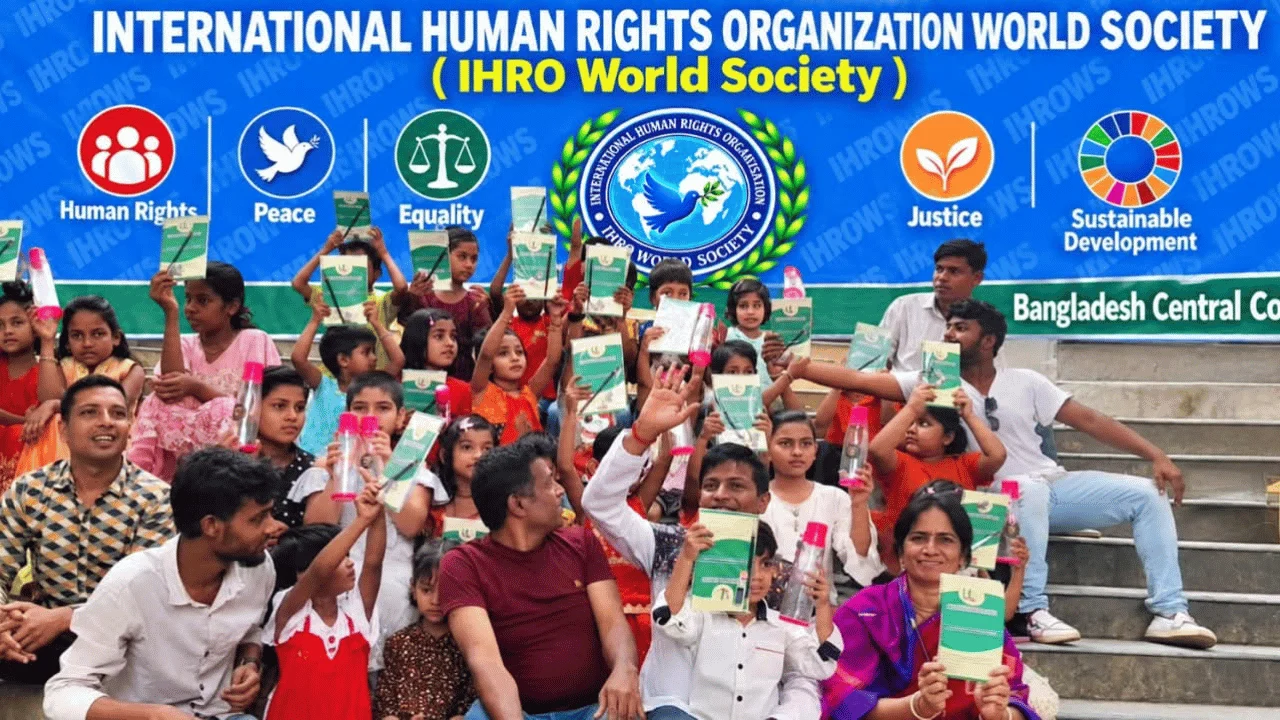
IHRO World Society can contribute to disability-inclusive emergency preparedness through awareness, community mobilization, volunteer networks, safeguarding, and human-rights advocacy.
Rights of Vulnerable Workers
Vulnerable workers may face:
- Unsafe working conditions.
- Low wages.
- Informal employment.
- Discrimination.
- Excessive working hours.
- Lack of social protection.
- Workplace harassment.
- Occupational health risks.
The International Labour Organization (ILO) recognizes decent work, equality, non-discrimination, and safe and healthy working conditions as central elements of workers’ rights.
Workers with disabilities should receive reasonable accommodation and equal opportunities.
Every worker deserves dignity, safety, equality, and decent work.
Bangladesh Context
Bangladesh has established an important legal framework for protecting the rights of persons with disabilities.
The Rights and Protection of Persons with Disabilities Act, 2013 was enacted to establish and protect the rights of persons with disabilities. The law recognizes multiple forms of disability and provides for rights, institutional mechanisms, responsibilities of public and private institutions, and protection against discrimination.
Bangladesh also ratified the United Nations Convention on the Rights of Persons with Disabilities (CRPD) in 2008.
The country’s legal framework therefore provides an important foundation for disability rights.
However, laws alone cannot guarantee inclusion.
Implementation requires:
- Public awareness.
- Accessible infrastructure.
- Inclusive education.
- Accessible healthcare.
- Employment opportunities.
- Social protection.
- Disability-inclusive disaster preparedness.
- Accessible digital services.
- Strong enforcement.
- Community participation.
- Meaningful involvement of persons with disabilities.
The challenge is not only to recognize rights—but to make those rights real in everyday life.
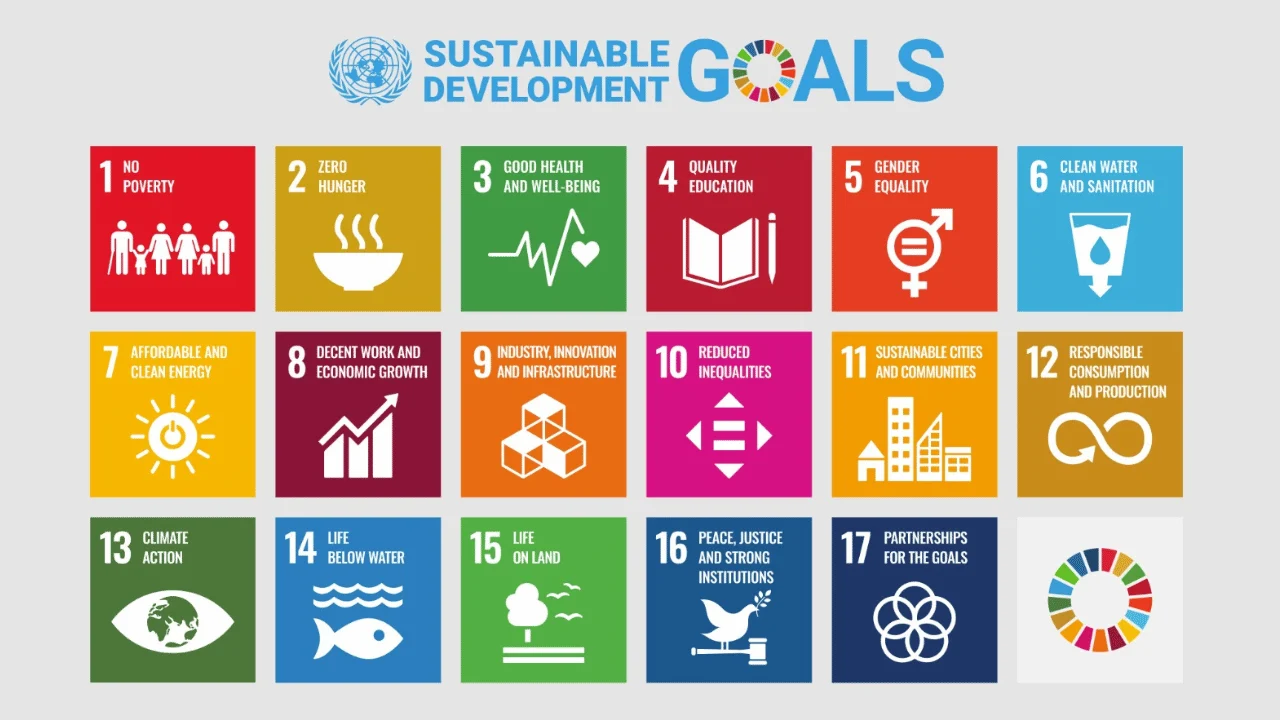
Disability Rights and the Sustainable Development Goals
Disability inclusion is connected with the entire 2030 Agenda for Sustainable Development.
The United Nations emphasizes that the commitment to “leave no one behind” requires development gains across all 17 SDGs to reach persons with disabilities.
SDG 1 – No Poverty
Social protection and economic opportunities can reduce poverty among vulnerable households.
SDG 3 – Good Health and Well-Being
Persons with disabilities must have equal access to healthcare.
SDG 4 – Quality Education
Education systems must become inclusive and accessible.
SDG 5 – Gender Equality
Women and girls with disabilities must be protected from multiple discrimination.
SDG 8 – Decent Work and Economic Growth
Persons with disabilities should have equal access to decent employment and entrepreneurship.
SDG 10 – Reduced Inequalities
Disability inclusion is central to reducing inequality.
SDG 11 – Sustainable Cities and Communities
Cities must be accessible and inclusive.
SDG 16 – Peace, Justice and Strong Institutions
Justice systems and public institutions must be accessible and accountable.
SDG 17 – Partnerships for the Goals
Governments, civil society, communities, international organizations, businesses, and persons with disabilities must work together.
The Role of IHRO World Society
The International Human Rights Organisation World Society (IHRO World Society) believes that inclusion must be built into every aspect of human-rights and development work.
IHRO World Society seeks to promote the rights of vulnerable people and persons with disabilities through:
- Human-rights education.
- Disability-rights awareness.
- Community development.
- Inclusive education advocacy.
- Health-rights awareness.
- Women’s and girls’ empowerment.
- Child protection.
- Workers’ rights awareness.
- Employment and livelihood advocacy.
- Accessibility awareness.
- Digital inclusion.
- Emergency preparedness.
- Disability-inclusive humanitarian response.
- Anti-discrimination advocacy.
- Volunteer engagement.
- Community-based programmes.
- Partnerships and networking.
- SDG awareness and implementation.
Our approach is based on:
Dignity. Equality. Inclusion. Participation. Accessibility. Empowerment.
IHRO World Society believes that persons with disabilities should not merely be included as beneficiaries.
They should be included as leaders, decision-makers, advocates, volunteers, professionals, and partners.
From Charity to Rights
Traditional approaches sometimes portray persons with disabilities primarily as people who need charity.
A human-rights approach is fundamentally different.
Charity asks:
“How can we help them?”
A rights-based approach asks:
“What rights are being denied, what barriers exist, and what must society change?”
This distinction is essential.
People with disabilities do not need pity.
They need:
- Equality.
- Accessibility.
- Opportunity.
- Respect.
- Participation.
- Justice.
- Empowerment.
The goal is not to create dependence. The goal is to remove barriers and expand opportunity.
Community Responsibility
Inclusion begins within communities.
Families, schools, employers, local authorities, civil-society organizations, religious and community leaders, healthcare providers, and businesses all have roles to play.
Communities can:
- Challenge stigma.
- Promote accessibility.
- Prevent violence.
- Support inclusive education.
- Create employment opportunities.
- Include persons with disabilities in decision-making.
- Promote accessible public spaces.
- Build inclusive emergency plans.
An inclusive community is one where everyone belongs.
A Call to Action
Human rights cannot be fully protected while millions of people remain excluded from social, economic, educational, political, and cultural life.
We must move:
From exclusion → to inclusion
From discrimination → to equality
From dependency → to empowerment
From inaccessible systems → to universal accessibility
From charity → to rights
From silence → to participation
Governments must enforce laws.
Institutions must remove barriers.
Employers must create inclusive workplaces.
Schools must provide inclusive education.
Healthcare providers must ensure accessibility.
Civil society must advocate.
Communities must challenge stigma.
And persons with disabilities must have a meaningful voice in decisions affecting their lives.
Conclusion
The rights of vulnerable people and persons with disabilities are not separate from human rights.
They are human rights.
Every person deserves to live with dignity, equality, freedom, safety, opportunity, and participation.
A truly inclusive society is not measured by how it treats the most powerful.
It is measured by whether the people facing the greatest barriers can participate equally.
For IHRO World Society, the commitment is clear:
Defend Rights. Remove Barriers. Promote Inclusion. Empower People. Leave No One Behind.
We envision a world where disability is not a reason for exclusion, vulnerability is not a reason for discrimination, and every person has the opportunity to participate fully in society.
“Nothing About Us Without Us.”
“Equality Is a Right. Inclusion Is a Responsibility. Dignity Belongs to Everyone.”
References
International Labour Organization. (2022). A safe and healthy working environment is a fundamental principle and right at work. International Labour Organization.
United Nations. (1948). Universal Declaration of Human Rights. United Nations.
United Nations. (2006). Convention on the Rights of Persons with Disabilities. United Nations.
United Nations. (2015). Transforming our world: The 2030 Agenda for Sustainable Development. United Nations.
United Nations. (2026). Advancing the inclusion and rights of persons with disabilities: From Convention to commitment. United Nations.
United Nations Treaty Collection. (2008). Convention on the Rights of Persons with Disabilities: Bangladesh—Ratification. United Nations.
Government of Bangladesh. (2013). প্রতিবন্ধী ব্যক্তির অধিকার ও সুরক্ষা আইন, ২০১৩ [Rights and Protection of Persons with Disabilities Act, 2013]. Bangladesh Laws.
United Nations in Bangladesh. (2023). Convention on the Rights of Persons with Disabilities (Bangla). United Nations in Bangladesh.