Child Protection: Protecting Every Child’s Rights, Dignity, and Future
International Human Rights Organization World Society (IHRO World Society)
Introduction
Every child has the right to grow up in a safe, caring, healthy, and supportive environment. Childhood is a fundamental stage of human development, and the protection of children is therefore not simply a social responsibility—it is a fundamental human-rights obligation.
Child protection encompasses the prevention of and response to violence, abuse, exploitation, neglect, trafficking, harmful practices, and other threats to children’s safety, dignity, and well-being (UNICEF, 2021). Effective child protection requires strong families, supportive communities, responsive institutions, effective laws, accessible social services, and meaningful participation of children and young people.
The Universal Declaration of Human Rights (UDHR) recognizes the inherent dignity and equal rights of all human beings (United Nations, 1948). These principles apply equally to every child.
The Convention on the Rights of the Child (CRC) further establishes that children have specific rights and require special protection and care. Bangladesh signed and ratified the Convention in 1990, accepting international obligations to protect and promote children’s rights (UNICEF Bangladesh, n.d.).
Child Protection as a Human Rights Commitment
Children are rights-holders—not merely recipients of charity or assistance.
Every child, regardless of gender, disability, socioeconomic status, ethnicity, location, family background, or other circumstances, has the right to protection, education, healthcare, identity, participation, and freedom from violence and exploitation.
The Convention on the Rights of the Child establishes important principles including:
- Non-discrimination.
- The best interests of the child.
- The right to life, survival, and development.
- Respect for the views and participation of children.
- Protection from violence, abuse, exploitation, and harmful practices.
These principles provide a foundation for governments, civil society organizations, communities, families, and institutions to develop effective child-protection systems.
Protecting Children from Violence and Abuse
Violence against children can occur in homes, schools, communities, workplaces, institutions, and online environments. Physical punishment, psychological aggression, sexual abuse, exploitation, bullying, and other forms of violence can have lasting consequences for children’s physical and emotional development.
UNICEF identifies child protection as the prevention of and response to exploitation, abuse, neglect, harmful practices, and violence against children (UNICEF, 2021).
In Bangladesh, child protection remains a significant concern. UNICEF reports that violence, abuse, exploitation, child labour, child marriage, and inadequate access to protection services continue to affect children.
Protecting children requires more than responding after harm occurs. Prevention, awareness, positive parenting, safe schools, community engagement, professional social services, child-friendly justice, and effective referral systems are essential.
Ending Child Labour
Every child deserves the opportunity to learn, develop, play, and dream about the future.
Child labour can interfere with education, expose children to hazardous conditions, and limit their long-term opportunities. Poverty, social inequality, family vulnerability, school dropout, and inadequate social protection can increase the risk of child labour.
Sustainable child protection therefore requires addressing the underlying causes of child labour while ensuring access to quality education, social protection, decent livelihoods for families, and safe community environments.
Children should never be forced to sacrifice their education, health, safety, or childhood because of poverty or exploitation.
Ending Child Marriage
Child marriage is a serious child-rights and human-rights concern. Marriage before the age of 18 can interrupt education, restrict future opportunities, increase vulnerability to violence, and expose children—particularly girls—to early pregnancy and other health and social risks.
Bangladesh continues to face a significant child-marriage challenge. UNICEF’s recent country information indicates that approximately 47% of young women aged 20–24 were married before age 18, although progress has been made over time.
Ending child marriage requires coordinated action involving:
- Keeping girls in school.
- Strengthening birth and marriage registration.
- Supporting vulnerable families.
- Increasing community awareness.
- Challenging harmful social norms.
- Strengthening legal protection and enforcement.
- Expanding adolescent-friendly services.
- Empowering girls to make informed decisions about their futures.
A child should be allowed to remain a child.
The Right to Identity and Birth Registration
Birth registration is a fundamental component of child protection. Legal identity can help establish a child’s age, nationality, family relationships, and access to essential services.
UNICEF emphasizes that birth registration is an important first step toward recognition before the law and can help protect children from risks including child marriage and child labour (UNICEF, 2019).
Ensuring universal birth registration is therefore not merely an administrative process—it is an important human-rights and protection measure.
Every child deserves a legal identity.
Protection of Children with Disabilities
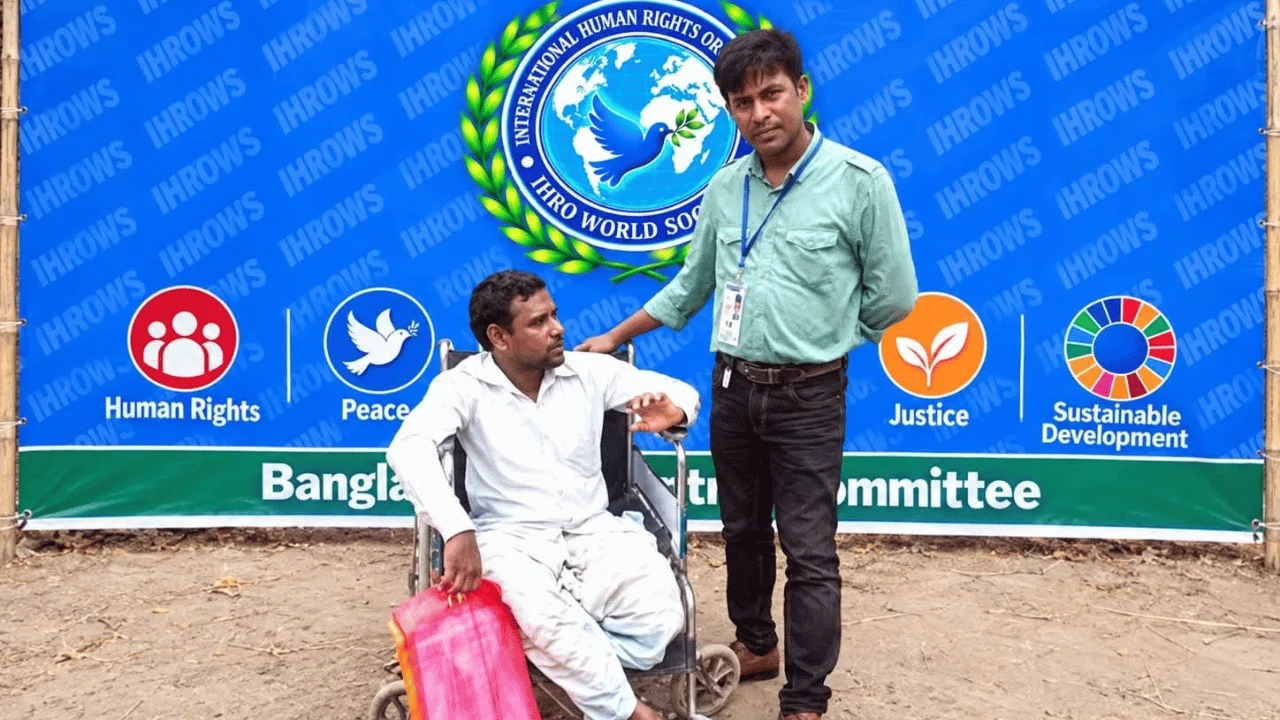
Children with disabilities can face multiple and overlapping forms of discrimination, exclusion, neglect, and violence.
Inclusive child protection requires ensuring that children with disabilities can access:
- Education.
- Healthcare.
- Social protection.
- Justice.
- Rehabilitation and support services.
- Safe public and community spaces.
- Information and communication.
- Participation in decisions affecting their lives.
Protection systems must be inclusive and accessible so that no child is invisible or left behind.
Online Safety and Digital Child Protection
Children increasingly live, learn, communicate, and socialize in digital environments. Technology provides enormous opportunities for education and connection, but it can also expose children to cyberbullying, sexual exploitation, grooming, harmful content, privacy violations, and other forms of online abuse.
Child protection in the digital age therefore requires:
- Digital literacy.
- Online safety education.
- Responsible technology use.
- Privacy protection.
- Awareness among parents and educators.
- Accessible reporting mechanisms.
- Effective institutional responses to online abuse.
Children should be able to benefit from technology without sacrificing their safety or dignity.
Child Protection in Bangladesh
Bangladesh has made important progress in strengthening child-focused policies, services, and community-based protection mechanisms. Nevertheless, significant challenges remain.
Recent evidence highlights continuing concerns related to violence against children, child marriage, child labour, birth registration, social exclusion, and access to protection services. UNICEF’s 2025 reporting on Bangladesh emphasizes the importance of strengthening national child-protection systems, frontline social services, case management, referral mechanisms, and community-level prevention.
At the same time, community-based approaches can produce meaningful results. UNICEF’s assessment of Child Protection Community Hubs in Bangladesh reported improvements in areas including birth registration, child marriage, violent discipline, and community trust in social workers during the 2022–2025 period.
These developments demonstrate that sustainable child protection requires community ownership, professional social services, strong institutions, evidence-based policies, and coordinated partnerships.
Child Protection and the Sustainable Development Goals
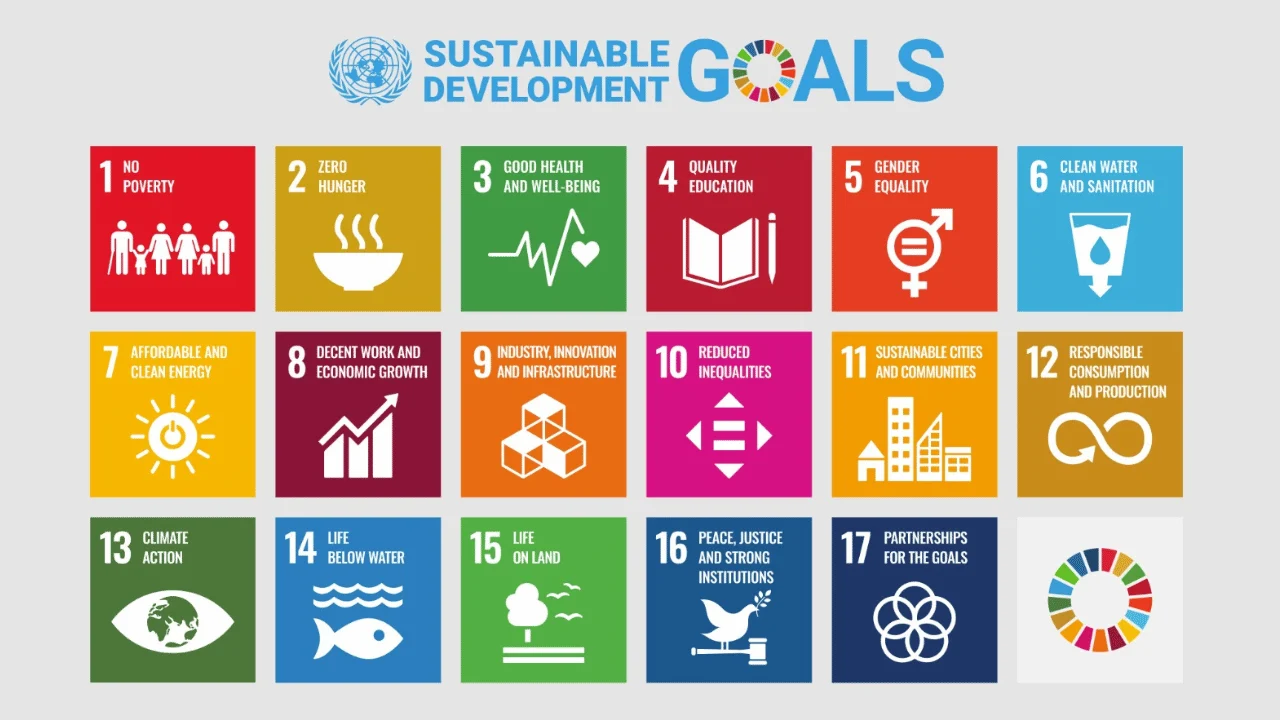
Child protection is directly connected with the United Nations Sustainable Development Goals (SDGs).
Several SDGs are particularly relevant:
SDG 1 – No Poverty:
Reducing poverty and strengthening social protection can reduce children’s vulnerability.
SDG 3 – Good Health and Well-Being:
Children require access to healthcare, nutrition, mental-health support, and safe environments.
SDG 4 – Quality Education:
Every child should have access to inclusive and quality education.
SDG 5 – Gender Equality:
Ending child marriage and violence against girls is essential for gender equality.
SDG 8 – Decent Work and Economic Growth:
SDG 8.7 calls for effective action to eradicate forced labour and end the worst forms of child labour.
SDG 16 – Peace, Justice and Strong Institutions:
Target 16.2 calls for ending abuse, exploitation, trafficking, and all forms of violence and torture against children.
SDG 17 – Partnerships for the Goals:
Strong partnerships are essential for developing effective and sustainable child-protection systems.
Child protection is therefore not an isolated development issue. It is interconnected with poverty reduction, education, health, gender equality, justice, decent work, and sustainable development.
The Role of IHRO World Society
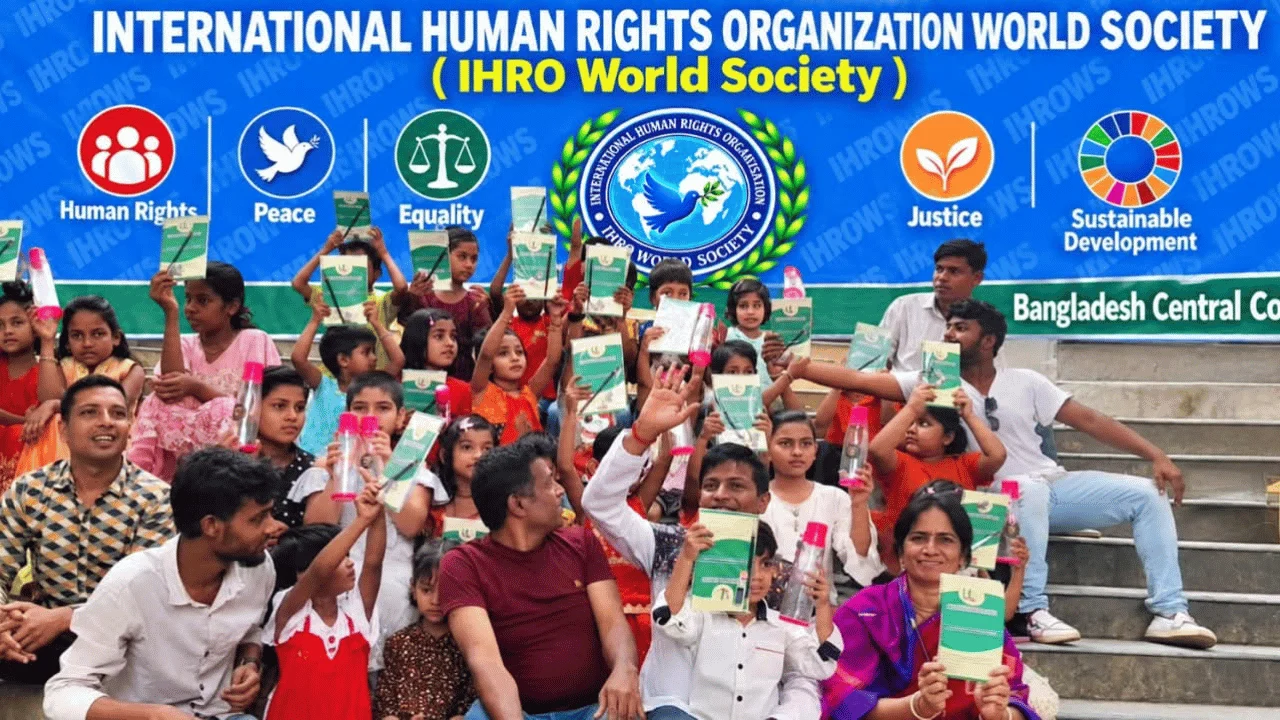
The International Human Rights Organisation World Society (IHRO World Society) recognizes child protection as an essential component of human rights and sustainable development.
IHRO World Society is committed to promoting awareness, advocacy, education, volunteer engagement, partnership, and community action to advance the rights and protection of children.
Our approach is built around the principle:
“Every Child Matters. Every Child Has Rights. Every Child Deserves Protection.”
IHRO World Society seeks to contribute to child protection through:
- Human-rights and child-rights awareness.
- Community education and advocacy.
- Prevention of violence and abuse.
- Awareness against child marriage and child labour.
- Promotion of birth registration and legal identity.
- Support for inclusive education.
- Protection of vulnerable and marginalized children.
- Youth and volunteer engagement.
- Capacity building and community-level action.
- Collaboration with government, civil society, development partners, and international organizations.
We believe that children should be viewed not merely as beneficiaries of development but as rights-holders and important members of society whose voices, dignity, safety, and potential must be respected.
The Role of Families and Communities
Child protection begins within families and communities.
Parents, caregivers, teachers, community leaders, volunteers, religious and social institutions, and local organizations all have an important role in creating safe environments for children.
Positive parenting, non-violent discipline, open communication, early identification of risks, and timely referral to appropriate services can significantly strengthen child protection.
Communities must create an environment where children feel safe to speak about violence, abuse, bullying, exploitation, and other concerns.
A child’s voice must never be ignored.
Building Strong Child Protection Systems
Sustainable protection requires a coordinated system rather than isolated interventions.
An effective child-protection system should include:
Prevention → Identification → Reporting → Referral → Case Management → Support → Justice → Recovery → Reintegration
Governments and institutions must ensure that child-protection professionals, social workers, educators, healthcare providers, law-enforcement agencies, and justice-sector actors have the knowledge, resources, and coordination necessary to respond effectively.
Child-friendly justice is particularly important. Children who come into contact with the justice system—whether as victims, witnesses, or alleged offenders—must be treated with dignity and in accordance with their rights.
A Call to Action
Protecting children is everyone’s responsibility.
Governments must strengthen laws, policies, budgets, institutions, and services.
Schools must provide safe and inclusive learning environments.
Families must protect children from violence, neglect, and exploitation.
Communities must challenge harmful practices and social norms.
Civil society organizations must advocate, educate, monitor, and build partnerships.
Businesses must ensure that children are not exploited through supply chains or unsafe working conditions.
And every individual has a responsibility to speak out when a child’s rights are threatened.
We must not wait until a child is harmed before we act. Prevention is protection. Awareness is protection. Education is protection. Justice is protection.
Conclusion
Child protection is a fundamental human-rights responsibility and an essential foundation for sustainable development.
A society that protects its children invests in its future.
Every child deserves to grow up free from violence, abuse, exploitation, neglect, discrimination, and harmful practices. Every child deserves education, healthcare, identity, participation, dignity, and opportunity.
IHRO World Society believes that protecting children today means building a safer, more equal, peaceful, and sustainable world tomorrow.
Our commitment is clear:
Protect Every Child. Respect Every Right. Leave No Child Behind.
References
United Nations. (1948). Universal Declaration of Human Rights. United Nations.
United Nations. (1989). Convention on the Rights of the Child. United Nations.
United Nations. (2015). Transforming our world: The 2030 Agenda for Sustainable Development. United Nations.
UNICEF. (2019). Birth registration for every child by 2030: Are we on track? UNICEF.
UNICEF. (2021). Child protection strategy 2021–2030. UNICEF.
UNICEF Bangladesh. (2025). Integrated community-based child protection system in Bangladesh: Evidence of impact of Child Protection Community Hubs (2022–2025). UNICEF Bangladesh.
UNICEF Bangladesh. (2025). Child Rights Manifesto: A promise to every child in Bangladesh. UNICEF Bangladesh.
UNICEF Bangladesh. (2026). Bangladesh Multiple Indicator Cluster Survey 2025: Final report. UNICEF Bangladesh & Bangladesh Bureau of Statistics.