Human rights are the basic rights and freedoms that belong to every person simply because they are human. These rights do not depend on a person’s nationality, religion, gender, race, social status, wealth, or political beliefs.
Human rights protect human dignity and help create societies where people can live with freedom, equality, justice, and security. From the right to life and freedom to the right to education, healthcare, work, and freedom of expression, human rights affect almost every part of our daily lives.
However, millions of people around the world continue to experience discrimination, violence, poverty, exploitation, censorship, and other forms of human rights violations. Understanding human rights is therefore important not only for governments and organizations but for every individual.
What Are Human Rights?
Human rights are fundamental rights and freedoms that every individual is entitled to enjoy. They are based on the principle that every human being has inherent dignity and deserves to be treated with respect.
Some important human rights include:
The right to life
The right to equality
The right to freedom
The right to education
The right to healthcare
The right to work
The right to freedom of expression
The right to freedom of religion
The right to privacy
The right to a fair trial
The right to participate in society
The right to live free from torture and discrimination
These rights are interconnected. When one right is denied, it can often affect many other aspects of a person’s life.
Why Are Human Rights Important?
Human rights are essential because they help protect human dignity and prevent the abuse of power.
Without basic rights and freedoms, individuals can become vulnerable to discrimination, exploitation, violence, and injustice.
Human rights help:
1. Protect Human Dignity
Every person deserves to be treated with respect. Human rights recognize that every individual has value regardless of their background or circumstances.
2. Promote Equality
Human rights support the principle that everyone should have equal opportunities and protection under the law.
3. Protect Freedom
Freedom of speech, religion, movement, association, and peaceful participation allows people to make decisions about their own lives.
4. Prevent Discrimination
Human rights principles challenge unfair treatment based on characteristics such as race, gender, nationality, disability, religion, or social background.
5. Support Justice
Human rights provide important protections for people who face injustice and help establish principles of fairness and accountability.
Different Types of Human Rights
Human rights cover many areas of life. They can broadly be understood through several categories.
Civil and Political Rights
These rights protect individual freedom and participation in public life.
Examples include:
Freedom of speech
Freedom of peaceful assembly
Freedom of religion
Right to privacy
Right to a fair trial
Right to participate in government
Economic, Social, and Cultural Rights
These rights relate to people’s ability to live healthy and dignified lives.
Examples include:
Right to education
Right to healthcare
Right to work
Right to adequate living conditions
Right to social protection
Right to participate in cultural life
Rights of Vulnerable Groups
Certain groups may face greater risks of discrimination or abuse. Human rights frameworks therefore emphasize protections for children, women, persons with disabilities, refugees, migrants, minorities, and other vulnerable communities.
Common Human Rights Violations
Despite international agreements and national laws, human rights violations continue in many parts of the world.
Some common examples include:
Discrimination
Discrimination occurs when people are treated unfairly because of characteristics such as gender, race, religion, disability, nationality, or social background.
Violence and Abuse
Physical violence, torture, domestic abuse, trafficking, and other forms of violence can seriously violate a person’s fundamental rights.
Child Labor
Children may be forced to work in dangerous or exploitative conditions instead of receiving education and enjoying a safe childhood.
Restrictions on Freedom of Expression
In some situations, people may face intimidation, censorship, imprisonment, or violence for expressing opinions or criticizing authorities.
Forced Displacement
Conflict, persecution, violence, and other crises can force individuals and families to leave their homes.
Denial of Education
When children or adults are prevented from accessing education because of poverty, discrimination, conflict, or other barriers, their opportunities for the future can be severely limited.
Human Rights and Equality
Equality is one of the most important principles of human rights.
Being equal does not necessarily mean that everyone has exactly the same circumstances. Instead, it means that every person deserves equal dignity, equal protection of their fundamental rights, and a fair opportunity to participate in society.
Building an equal society requires addressing discrimination and removing barriers that prevent certain groups from enjoying their rights.
Human Rights and Freedom of Expression
Freedom of expression allows people to share ideas, discuss public issues, criticize policies, and participate in social and political life.
At the same time, freedom of expression comes with responsibilities. Speech that directly promotes violence, hatred, or abuse can create serious harm to individuals and communities.
A healthy society therefore needs both freedom of expression and respect for the rights and dignity of others.
Human Rights in the Digital Age
Technology has created new opportunities for communication, education, and access to information. However, it has also created new human rights challenges.
Digital rights issues can include:
Online privacy
Protection of personal information
Online harassment
Cyberbullying
Digital surveillance
Access to information
Freedom of expression online
Misinformation and harmful content
As technology becomes increasingly important in everyday life, protecting human rights online is becoming just as important as protecting them offline.
The Role of Governments
Governments have a major responsibility to protect human rights.
They can do this by:
Creating and enforcing fair laws
Protecting citizens from violence and discrimination
Ensuring access to essential services
Supporting independent courts
Protecting freedom of expression
Investigating human rights violations
Holding offenders accountable
Protecting vulnerable communities
Strong institutions and transparent systems can help prevent abuse and promote accountability.
The Role of Individuals
Human rights are not only the responsibility of governments and international organizations. Individuals also have an important role.
People can support human rights by:
Respecting the rights of others
Speaking out against discrimination
Learning about human rights
Supporting victims of injustice
Treating people with dignity
Helping vulnerable members of society
Sharing reliable information
Supporting peaceful and lawful efforts for equality and justice
Small actions can contribute to larger social change.
The Role of Education
Education is one of the most powerful tools for promoting human rights.
When people understand their rights and the rights of others, they are better prepared to recognize discrimination, challenge injustice, and participate positively in society.
Human rights education can help develop:
Respect
Empathy
Equality
Critical thinking
Social responsibility
Peaceful conflict resolution
Teaching children about dignity, equality, and respect from an early age can help create more tolerant and inclusive communities.
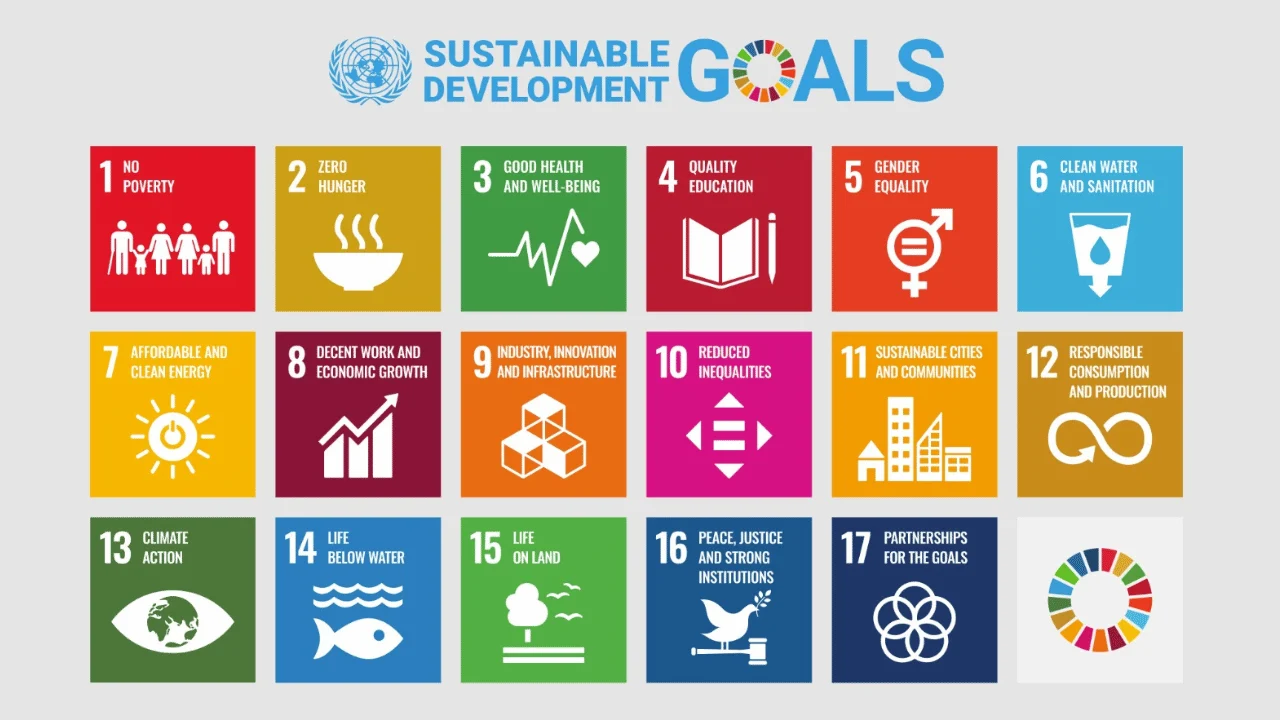
Human Rights and Sustainable Development
Human rights and development are closely connected.
People cannot fully benefit from economic and social development when they are denied basic freedoms, education, healthcare, safety, or equality.
Sustainable development therefore requires attention not only to economic growth but also to human dignity, social inclusion, justice, and equal opportunity.
What Can We Do to Protect Human Rights?
Everyone can contribute to a culture of human rights.
Here are some practical steps:
Learn about fundamental human rights.
Treat others with dignity and respect.
Challenge discrimination when it is safe and appropriate.
Support people who are experiencing injustice.
Avoid spreading misinformation.
Encourage respectful discussion.
Support organizations working for human rights.
Teach children about equality and respect.
Stay informed about important social issues.
Use your voice responsibly to promote fairness and justice.
Conclusion
Human rights are the foundation of a fair, peaceful, and dignified society. They belong to every person, regardless of nationality, background, wealth, gender, religion, or social status.
Protecting human rights requires more than laws and international agreements. It requires awareness, education, responsible leadership, strong institutions, and everyday respect for the dignity of others.
When individuals understand their rights and respect the rights of others, communities become stronger and more inclusive. Protecting human rights is therefore not simply the responsibility of governments or organizations—it is a shared responsibility that begins with each of us.
Human rights belong to everyone, and protecting them helps create a better future for everyone.