
Education Rights: Education as a Fundamental Human Right
International Human Rights Organization World Society (IHRO World Society)
Introduction
Education is a fundamental human right and one of the most powerful foundations for human dignity, equality, freedom, peace, and sustainable development.
Education does more than provide knowledge. It enables people to understand their rights, develop their abilities, participate in society, access opportunities, make informed decisions, and contribute to the development of their communities and nations.
The Universal Declaration of Human Rights (UDHR), Article 26, recognizes that everyone has the right to education. It further establishes that education should promote the full development of the human personality and strengthen respect for human rights and fundamental freedoms (United Nations, 1948).
The right to education is also recognized through international human-rights instruments and UNESCO’s normative framework. The global education agenda emphasizes inclusive and equitable quality education and lifelong learning opportunities for all.
For the International Human Rights Organization World Society (IHRO World Society), education is not simply a service or development intervention.
Education is a human right, a pathway to empowerment, and a foundation for a just society.
What Is the Right to Education?
The right to education means that every person should have meaningful and equitable opportunities to access quality education without discrimination.
This includes the right to:
- Access education without discrimination.
- Receive quality basic education.
- Learn in a safe and supportive environment.
- Develop literacy and numeracy skills.
- Access secondary, technical, vocational, and higher education.
- Participate in lifelong learning.
- Receive inclusive education regardless of disability.
- Learn in one’s language and cultural context where appropriate.
- Access educational technology and information.
- Develop knowledge, skills, values, and critical thinking.
- Participate in cultural and educational life.
- Receive education that respects human dignity and human rights.
Education must be available, accessible, acceptable, and adaptable to the needs of learners.
Education and Human Rights
Education and human rights are deeply interconnected.
Education helps individuals understand and claim their rights, while human-rights principles help ensure that education systems are inclusive, equitable, safe, and respectful.
A rights-based education system should promote:
Dignity + Equality + Inclusion + Participation + Freedom + Non-discrimination + Opportunity
Education should not reinforce discrimination or inequality.
Instead, it should help create societies where people understand diversity, respect others, reject violence, and participate responsibly in public life.
The UDHR specifically links education with the strengthening of respect for human rights and fundamental freedoms and with the promotion of understanding, tolerance, and peace (United Nations, 1948).
Education as a Foundation of Sustainable Development
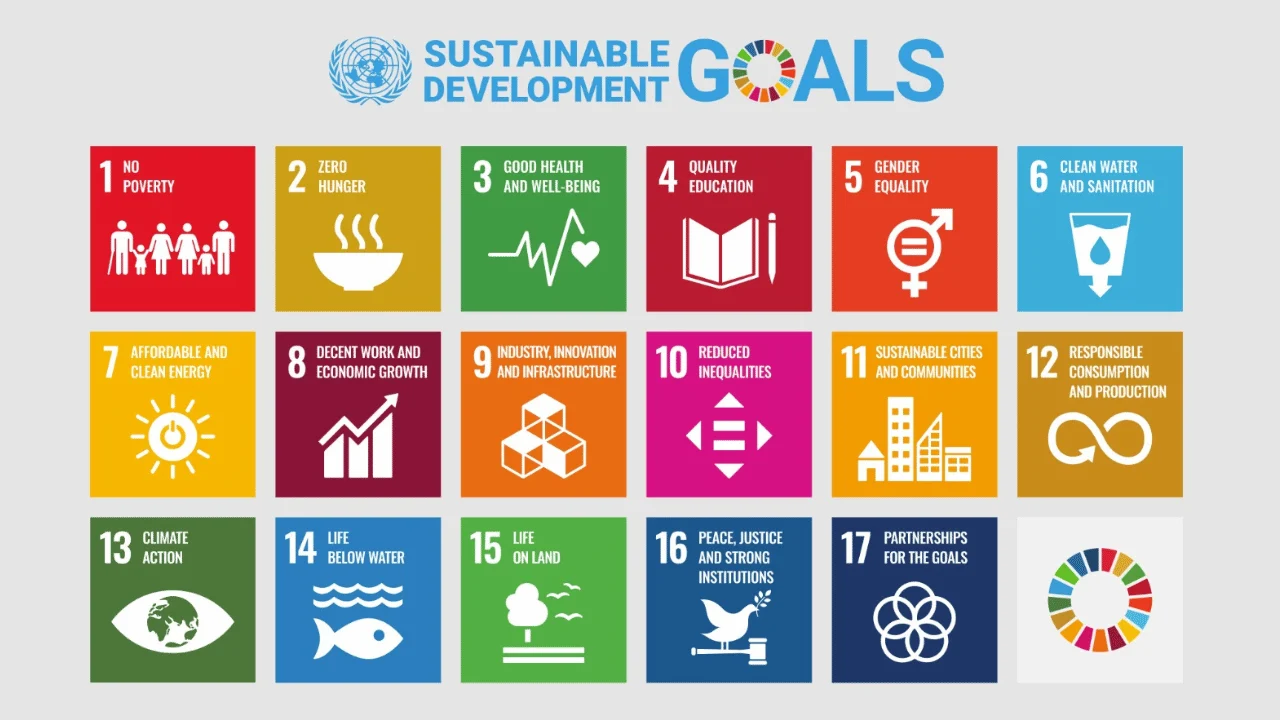
Education is central to the United Nations Sustainable Development Goals.
SDG 4 – Quality Education
SDG 4 calls for inclusive and equitable quality education and the promotion of lifelong learning opportunities for all.
Education also contributes directly to almost every other SDG.
It can help reduce poverty, improve health, promote gender equality, increase employment opportunities, reduce inequality, strengthen institutions, support peace, and build climate resilience.
Quality education is not only an SDG target—it is an accelerator for sustainable development.
The Right to Free and Equitable Basic Education
Children should not be excluded from basic education because of poverty, gender, disability, location, family circumstances, or social status.
Free and accessible basic education is particularly important for children from disadvantaged communities.
Financial barriers can result in:
- School dropout.
- Child labour.
- Early marriage.
- Intergenerational poverty.
- Social exclusion.
Removing fees and providing appropriate financial and social support can help families keep children in school.
However, access alone is not enough.
Every child must have the opportunity not only to enter school, but also to learn, complete education, and succeed.
Quality Education Matters
Education rights are not fulfilled simply because a child is enrolled in school.
A child has the right to quality learning.
Quality education requires:
- Qualified and supported teachers.
- Appropriate learning materials.
- Safe classrooms.
- Inclusive curricula.
- Adequate infrastructure.
- Effective assessment.
- Foundational literacy and numeracy.
- Critical thinking.
- Digital skills.
- Life skills.
- Human-rights education.
- Opportunities for creativity and participation.
UNICEF Bangladesh notes that although Bangladesh has achieved near-universal primary enrolment for girls and boys, significant challenges remain in secondary completion and learning outcomes.
Therefore, the next stage of educational progress must focus not only on access, but also on learning, quality, inclusion, and completion.
Early Childhood Education
The foundations of lifelong learning begin during early childhood.
Early childhood education can support:
- Language development.
- Cognitive development.
- Social and emotional skills.
- Physical development.
- School readiness.
- Communication.
- Creativity.
- Early literacy and numeracy.
However, access to early childhood education remains uneven.
UNICEF Bangladesh reports that only a minority of children aged 3–5 participate in early childhood education programmes, highlighting the need for greater investment in early learning.
Investing in early childhood is therefore an investment in the future of individuals and society.
Girls’ Right to Education
Every girl has the same right to education as every boy.
Girls’ education is fundamental to:
- Gender equality.
- Economic empowerment.
- Health and well-being.
- Leadership.
- Poverty reduction.
- Child protection.
- Social development.
Barriers to girls’ education can include poverty, child marriage, household responsibilities, unsafe travel, gender discrimination, social expectations, and lack of appropriate facilities.
Bangladesh has made substantial progress in girls’ access to education. UNESCO reports that targeted initiatives, including secondary-school stipends, contributed to advancing girls’ education and broader social outcomes.
Yet continued action is necessary to ensure that girls can complete secondary and higher education and transition successfully into further learning, employment, leadership, and civic participation.
Educating a girl is not merely educating an individual—it strengthens families, communities, and future generations.
Education and Gender Equality
Education is closely connected with SDG 5: Gender Equality.
Educational institutions can help challenge harmful gender stereotypes and create opportunities for girls and women to become:
- Leaders.
- Professionals.
- Scientists.
- Entrepreneurs.
- Educators.
- Human-rights defenders.
- Community leaders.
- Decision-makers.
Schools should provide safe and inclusive environments where girls can learn without fear of harassment, violence, discrimination, or exclusion.
Gender equality must therefore be integrated into:
- Curriculum.
- Teacher training.
- School management.
- Leadership.
- Infrastructure.
- Student participation.
- Career guidance.
Inclusive Education for Children with Disabilities
Education is a right for every child, including children with disabilities.
Inclusive education means creating education systems in which learners with different abilities can participate, learn, and develop together with appropriate support.
This requires:
- Accessible school buildings.
- Inclusive classrooms.
- Trained teachers.
- Accessible learning materials.
- Assistive technologies.
- Reasonable accommodation.
- Individualized support where necessary.
- Accessible transportation.
- Anti-discrimination measures.
- Participation of children and families.
UNESCO’s Bangladesh education profile notes that national education policy recognizes inclusion of children with disabilities in regular education and that Bangladesh has legal and policy frameworks supporting disability-inclusive education.
Nevertheless, implementation remains essential.
No child should be excluded from education because of disability.
Education and Children from Vulnerable Communities
Some children face greater barriers to education because of poverty, geographic isolation, displacement, disability, climate-related disasters, child labour, child marriage, or social exclusion.
UNICEF Bangladesh identifies children from the poorest households, children with disabilities, and children living in disaster-affected areas as particularly vulnerable to exclusion from education.
A rights-based education system must therefore identify and remove barriers before children are permanently excluded.
Targeted support may include:
- Scholarships.
- School meals.
- Transportation support.
- Learning materials.
- Flexible education programmes.
- Community learning centres.
- Catch-up education.
- Psychosocial support.
- Disability support.
- Digital learning opportunities.
Education in Climate-Vulnerable Communities
Climate change increasingly affects children’s right to education.
Floods, cyclones, extreme heat, drought, displacement, and other climate-related events can interrupt schooling and damage educational infrastructure.
UNICEF Bangladesh reports that millions of children in Bangladesh are seriously exposed to climate hazards that can disrupt education.
Climate-resilient education should include:
- Disaster-resilient schools.
- Emergency learning systems.
- Climate education.
- Digital and alternative learning mechanisms.
- Safe water and sanitation.
- Heat-resilient learning environments.
- Disaster preparedness.
- Community resilience.
A climate-resilient education system is essential for protecting the right to learn.
Education During Emergencies
Conflict, disasters, pandemics, displacement, and humanitarian crises can interrupt children’s education.
Yet education should not be treated as a luxury during emergencies.
Education can provide:
- Stability.
- Protection.
- Routine.
- Psychosocial support.
- Life-saving information.
- Social connection.
- Hope for the future.
Emergency education should therefore be integrated into humanitarian response and disaster preparedness.
Children affected by emergencies should have opportunities to continue learning as safely and quickly as possible.
Digital Education and Digital Inclusion
Technology has transformed education.
Digital learning can expand access to:
- Online courses.
- Digital libraries.
- Educational videos.
- Open educational resources.
- Remote classrooms.
- Skills development.
- Global knowledge.
However, digital education can also create new inequalities.
Children without:
- Internet access.
- Devices.
- Electricity.
- Digital skills.
- Accessible content.
- Safe online environments
may be left behind.
Therefore, digital transformation must be accompanied by digital inclusion.
Technology should reduce educational inequality—not deepen it.
Digital education should also protect children’s privacy, safety, and dignity.
Teachers’ Rights and Responsibilities
Teachers are central to the realization of education rights.
Quality education requires teachers who are:
- Qualified.
- Properly trained.
- Fairly supported.
- Professionally respected.
- Adequately resourced.
- Safe in their workplaces.
- Able to participate in professional development.
UNESCO reports that Bangladesh is developing stronger teacher strategies involving recruitment, training, career development, and professional support.
Teachers should also be supported to provide inclusive, child-centred, gender-responsive, and human-rights-based education.
Supporting teachers is an investment in every learner.
Human Rights Education
Education should teach people not only what to know, but also how to live together with dignity and respect.
Human-rights education can help learners understand:
- Equality.
- Freedom.
- Justice.
- Responsibility.
- Non-discrimination.
- Peace.
- Children’s rights.
- Women’s rights.
- Workers’ rights.
- Environmental responsibility.
- Democratic participation.
Human-rights education can help prevent discrimination, intolerance, bullying, violence, and exclusion.
It can also encourage young people to become responsible citizens and positive community leaders.
Education and Child Protection
Education and child protection are closely connected.
Children who are excluded from school may face increased vulnerability to:
- Child labour.
- Child marriage.
- Exploitation.
- Trafficking.
- Violence.
- Social exclusion.
Education can provide children with knowledge, social networks, protective environments, and opportunities for future independence.
UNICEF links SDG 4 with broader child-protection goals, including ending violence, exploitation, trafficking, and harmful practices against children.
Schools and learning centres should therefore have appropriate mechanisms for identifying and responding to child-protection concerns.
Education and Economic Empowerment
Education can expand opportunities for decent work and economic participation.
Quality education contributes to:
- Employability.
- Entrepreneurship.
- Innovation.
- Technical skills.
- Digital skills.
- Financial literacy.
- Professional development.
Education is therefore strongly connected with SDG 8: Decent Work and Economic Growth.
However, education systems should ensure that students develop both academic knowledge and practical skills relevant to changing labour markets.
Lifelong Learning
The right to education does not end when a person leaves school.
People need opportunities to continue learning throughout life.
Lifelong learning may include:
- Adult education.
- Literacy programmes.
- Vocational training.
- Digital skills.
- Professional education.
- Entrepreneurship.
- Community learning.
- Continuing education.
Lifelong learning is particularly important in a rapidly changing technological and economic environment.
Learning should be a lifelong opportunity, not a childhood privilege.
Education Rights in Bangladesh
Bangladesh has made significant progress in expanding access to education.
The country’s constitutional framework recognizes the state’s responsibility to establish a universal and mass-oriented education system and to extend free and compulsory education to children. UNESCO’s Bangladesh education profile also notes constitutional protections against discrimination in access to educational institutions.
Bangladesh has made notable gains in school participation and completion. UNESCO’s 2026 Global Education Monitoring evidence reports that primary completion rose from approximately 34% in 1990 to 90% in 2024, while lower-secondary completion increased from 23% to 74% over the same period.
At the same time, challenges remain.
UNICEF Bangladesh identifies concerns involving secondary-school dropout, learning outcomes, poverty-related exclusion, disability inclusion, child marriage, child labour, and climate-related disruption.
These realities demonstrate that Bangladesh’s next phase of educational development should focus on:
- Quality learning.
- Secondary-school completion.
- Inclusive education.
- Disability inclusion.
- Girls’ education.
- Digital inclusion.
- Climate-resilient education.
- Teacher development.
- Skills development.
- Lifelong learning.
- Protection of vulnerable learners.
Bangladesh must move from education access to education quality, inclusion, learning, and lifelong opportunity.
Education Rights and the Sustainable Development Goals
Education is directly connected with multiple SDGs.
SDG 1 – No Poverty
Education can increase opportunities for employment, entrepreneurship, and economic mobility.
SDG 3 – Good Health and Well-Being
Education improves health knowledge and can strengthen access to healthier choices and services.
SDG 4 – Quality Education
SDG 4 is the central global commitment to inclusive and equitable quality education and lifelong learning for all.
SDG 5 – Gender Equality
Education is a major pathway for girls’ empowerment and gender equality.
SDG 8 – Decent Work and Economic Growth
Education and skills development help prepare people for productive and decent employment.
SDG 10 – Reduced Inequalities
Inclusive education can reduce social, economic, geographic, and disability-related inequalities.
SDG 13 – Climate Action
Education develops climate awareness, resilience, and environmental responsibility.
SDG 16 – Peace, Justice and Strong Institutions
Education can promote human rights, tolerance, peaceful societies, responsible citizenship, and access to justice.
SDG 17 – Partnerships for the Goals
Achieving education rights requires partnerships among governments, schools, communities, civil society, international organizations, teachers, families, and learners.
The United Nations in Bangladesh identifies SDG 4 as a national priority and notes ongoing cooperation among government institutions, civil society, UNESCO, UNICEF, ILO, development partners, and other organizations.
The Role of IHRO World Society
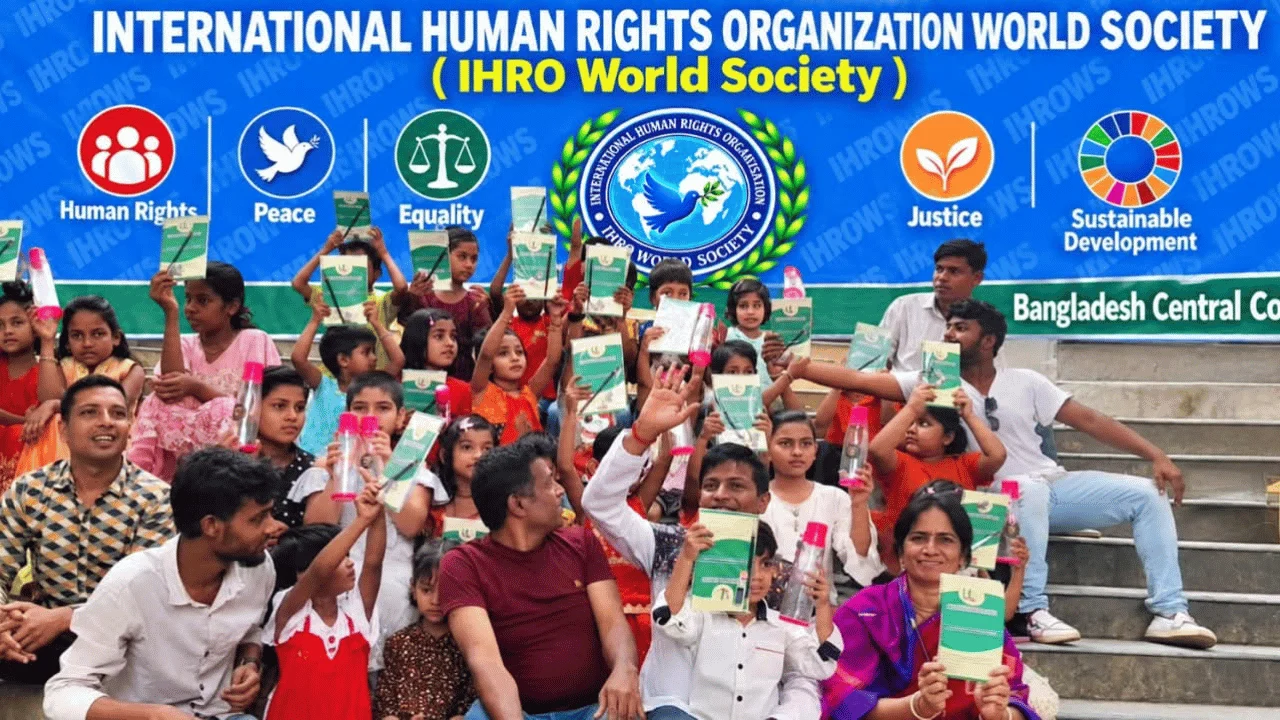
The International Human Rights Organisation World Society (IHRO World Society) recognizes education as a fundamental human right and a powerful instrument for human development and social transformation.
IHRO World Society seeks to contribute to the promotion of education rights through:
- Human-rights education.
- Education-rights awareness.
- Community education programmes.
- Support for inclusive education.
- Girls’ education advocacy.
- Disability-inclusive education.
- Child-rights education.
- Digital literacy.
- Youth empowerment.
- Lifelong learning.
- Skills development.
- Awareness on SDG 4.
- Climate and environmental education.
- Education in vulnerable communities.
- Community-based advocacy.
- Volunteer engagement.
- Partnerships and networking.
Our approach is guided by a simple principle:
“Education for Everyone. Equality for Every Learner. Opportunity for Every Future.”
IHRO World Society believes that education should empower people—not simply prepare them for examinations.
Education should help people think, participate, lead, respect human rights, solve problems, and build peaceful and sustainable communities.
The Role of Families and Communities
Education does not begin and end inside a classroom.
Families and communities play a vital role in creating supportive learning environments.
Parents and caregivers can:
- Encourage learning.
- Support regular attendance.
- Prevent child labour and child marriage.
- Encourage girls’ education.
- Support children with disabilities.
- Promote reading and learning at home.
- Communicate with teachers.
Communities can support education by:
- Protecting schools.
- Supporting vulnerable children.
- Preventing dropout.
- Promoting girls’ education.
- Supporting inclusive learning.
- Encouraging lifelong learning.
A strong education system requires a strong community around every learner.
A Call to Action
Education rights require action—not merely promises.
Governments must invest in accessible, inclusive, quality education.
Schools must create safe and supportive learning environments.
Teachers must be respected, trained, and supported.
Families must encourage children to remain in education.
Communities must challenge child labour, child marriage, discrimination, and exclusion.
Businesses and development partners should contribute to responsible education investment.
Civil society organizations must continue to educate, advocate, monitor, and build partnerships.
And every child should be given the opportunity to learn, participate, dream, and build a better future.
No Child Left Behind. No Learner Excluded. No Future Denied.
Conclusion
Education is a fundamental human right.
It is a pathway from vulnerability to opportunity, from exclusion to participation, and from inequality to empowerment.
A society that invests in education invests in its people, its economy, its institutions, its peace, and its future.
For IHRO World Society, the commitment is clear:
Defend the Right to Education. Promote Inclusive Learning. Empower Every Learner. Build a Better Future.
Every child deserves a quality education.
Every young person deserves the opportunity to develop their potential.
Every adult deserves the opportunity to continue learning.
And every society has a responsibility to ensure that no one is excluded from education because of poverty, gender, disability, geography, social status, or circumstance.
“Education Is a Human Right. Knowledge Is Empowerment. Learning Builds a Better World.”
References
International Labour Organization. (2022). A safe and healthy working environment is a fundamental principle and right at work. International Labour Organization.
United Nations. (1948). Universal Declaration of Human Rights. United Nations.
United Nations. (2015). Transforming our world: The 2030 Agenda for Sustainable Development. United Nations.
United Nations in Bangladesh. (2026). Sustainable Development Goal 4: Quality education. United Nations in Bangladesh.
UNESCO. (2025). International legal instruments for the right to education. UNESCO.
UNESCO. (2026). Global Education Monitoring Report 2026: Access and equity. UNESCO.
UNESCO. (2026). Global Education Monitoring Report 2026: Bangladesh. UNESCO.
UNICEF Bangladesh. (2026). Education: Helping all children to reach their potential. UNICEF Bangladesh.
UNICEF Bangladesh. (2026). UNICEF research highlights how to strengthen education reform in Bangladesh. UNICEF Bangladesh.
UNESCO. (2026). UNESCO Dhaka: Investing in education to transform lives. UNESCO.