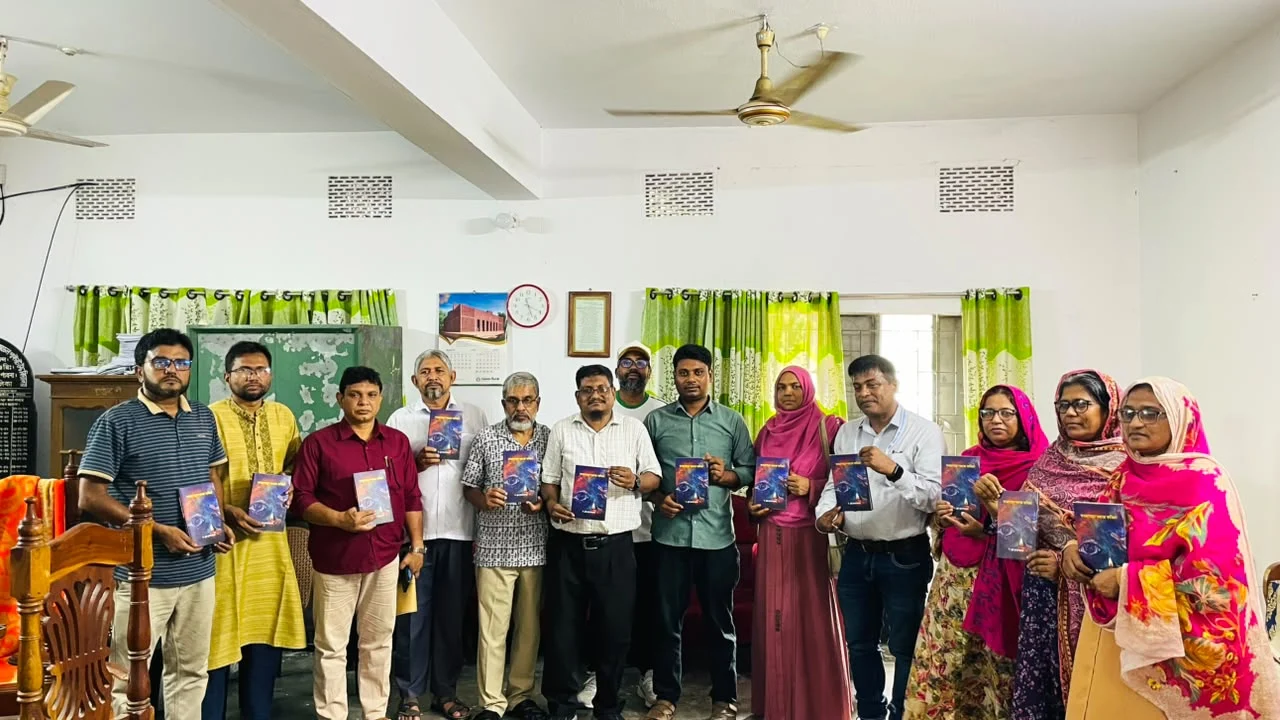

Community Development: Empowering People, Strengthening Communities, Building a Sustainable Future
International Human Rights Organisation World Society (IHRO World Society)
Introduction
Community development is a process through which people come together to identify common challenges, develop local solutions, strengthen community institutions, and create better social, economic, and environmental conditions for present and future generations.
A strong community is not defined only by infrastructure or economic growth. It is defined by the ability of people to participate in decisions that affect their lives, access essential services, protect their rights, support vulnerable members, and work collectively toward a more inclusive and sustainable future.
For the International Human Rights Organization World Society (IHRO World Society), community development is fundamentally connected with human rights, equality, social justice, participation, dignity, empowerment, and sustainable development.
The Universal Declaration of Human Rights recognizes the inherent dignity and equal rights of all human beings and affirms the importance of participation in public life (United Nations, 1948). Community development provides an important practical pathway for turning these principles into meaningful action at the local level.
Community Development and Human Rights
Community development should be rights-based.
Every person has the right to participate in the social, economic, cultural, and civic life of their community without discrimination. Communities should therefore be places where people can express their views, access information, participate in decision-making, and contribute to development priorities.
A human-rights-based approach to community development emphasizes:
- Equality and non-discrimination.
- Human dignity.
- Participation and inclusion.
- Access to information.
- Accountability and transparency.
- Community ownership.
- Protection of vulnerable groups.
- Equal opportunities.
- Access to essential services.
- Sustainable and inclusive development.
Development should not be something done to communities. It should be something developed with communities.
From Beneficiaries to Partners
One of the most important principles of modern community development is recognizing local people as active partners rather than passive beneficiaries.
The World Bank describes community and local development as an approach that empowers communities to influence planning, resource management, and project implementation. Evidence also shows that when communities have access to information, transparent processes, and appropriate technical and financial support, they can identify priorities and address local development challenges effectively (World Bank, 2025).
This approach strengthens:
Participation → Ownership → Accountability → Sustainability
When people participate in planning and decision-making, development initiatives are more likely to reflect actual local needs and priorities.
Community Participation and Local Leadership
Meaningful participation is at the heart of community development.
People should have opportunities to participate in decisions concerning:
- Education.
- Healthcare.
- Water and sanitation.
- Local infrastructure.
- Employment and livelihoods.
- Environmental protection.
- Disaster preparedness.
- Public safety.
- Social protection.
- Youth development.
- Women’s empowerment.
Participation should include people who are often excluded from decision-making, including women, youth, persons with disabilities, older people, low-income households, and marginalized groups.
Inclusive participation creates stronger communities because it allows different perspectives, experiences, and knowledge to contribute to local solutions.
Women’s Empowerment in Community Development
Women are essential actors in community development.
Women contribute to households, economies, education, healthcare, agriculture, entrepreneurship, social services, community organizations, and local leadership. However, women may still face barriers to decision-making, access to resources, employment, finance, education, and leadership.
Community development programs should therefore promote:
- Women’s participation in local decision-making.
- Leadership development.
- Economic empowerment.
- Skills training.
- Access to finance.
- Entrepreneurship.
- Education and digital literacy.
- Protection from violence and discrimination.
- Equal access to community resources.
Experience from Bangladesh demonstrates the potential of community-driven development to strengthen livelihoods and women’s empowerment. A World Bank-supported rural development initiative reached hundreds of thousands of households and reported improvements in livelihoods, women’s empowerment, nutrition, youth employment, and community infrastructure (World Bank, 2022).
Youth as Agents of Community Change
Young people are not simply the future of a community—they are also important contributors to its present.
Youth can contribute through:
- Volunteering.
- Leadership.
- Social innovation.
- Entrepreneurship.
- Environmental action.
- Digital initiatives.
- Human-rights advocacy.
- Community awareness.
- Disaster preparedness.
- Education and peer-to-peer learning.
Investing in youth skills, leadership, and civic participation can strengthen community resilience and create new pathways for social and economic development.
A community that gives young people meaningful opportunities to participate is investing in its long-term sustainability.
Community Development and Poverty Reduction
Poverty is more than a lack of income. It can also involve limited access to education, healthcare, employment, housing, financial services, social protection, information, and participation.
Community development can help address these interconnected challenges by strengthening local livelihoods, skills, social networks, community institutions, and access to services.
In Bangladesh, locally led development initiatives have demonstrated how community participation and local government planning can support infrastructure, education, livelihoods, employment, and resilience. Recent World Bank-supported approaches have emphasized local consultations and community-responsive investments (Chen & Wang, 2024).
Effective community development should therefore seek to address both immediate needs and structural causes of poverty.
Education and Skills Development
Education is a foundation of community development.
Communities need access to quality education, vocational training, digital literacy, human-rights education, entrepreneurship development, and lifelong learning.
Skills development can increase employability, entrepreneurship, income generation, and community leadership.
Community learning initiatives can also create opportunities for adults, women, youth, and marginalized groups who may not have access to conventional education or training.
Knowledge empowers people to understand their rights, identify opportunities, solve problems, and participate more effectively in decision-making.
Health and Community Well-Being
Healthy communities are essential for sustainable development.
Community development should promote access to:
- Primary healthcare.
- Maternal and child health.
- Nutrition.
- Clean water.
- Sanitation.
- Hygiene.
- Mental-health and psychosocial support.
- Health awareness.
- Disease prevention.
- Emergency preparedness.
Community health initiatives are particularly important in areas where people face barriers to formal healthcare services.
Local volunteers and community organizations can help connect vulnerable households with information and available services.
Environmental Sustainability and Climate Resilience
Community development must also protect the environment.
Communities are increasingly affected by climate change, environmental degradation, pollution, floods, cyclones, heatwaves, water scarcity, and other environmental risks.
Community-based environmental action can include:
- Tree planting.
- Waste reduction and recycling.
- Plastic pollution prevention.
- Water conservation.
- Climate awareness.
- Renewable-energy awareness.
- Disaster preparedness.
- Protection of local ecosystems.
- Sustainable agriculture.
- Community risk mapping.
Local knowledge can be particularly valuable in identifying environmental risks and developing practical solutions.
A sustainable community is one that protects both people and the planet.
Community Development in Bangladesh
Bangladesh has made substantial development progress while continuing to face challenges related to poverty, inequality, climate vulnerability, urbanization, employment, and access to quality services.
Community-led and locally led approaches have demonstrated the value of giving local institutions and communities greater influence over development priorities. In Bangladesh, locally led development projects have supported rural roads, schools, climate preparedness, employment, and other locally identified priorities (Chen & Wang, 2024).
The experience of Bangladesh demonstrates an important principle:
Local people understand local problems—and should have a meaningful voice in developing local solutions.
Community development should therefore build upon local knowledge while connecting communities with technical expertise, institutional support, resources, and broader development partnerships.
Inclusive Community Development
No community can be considered truly developed if some of its members remain excluded.
Inclusive community development should ensure meaningful participation and access to opportunities for:
- Women and girls.
- Children and youth.
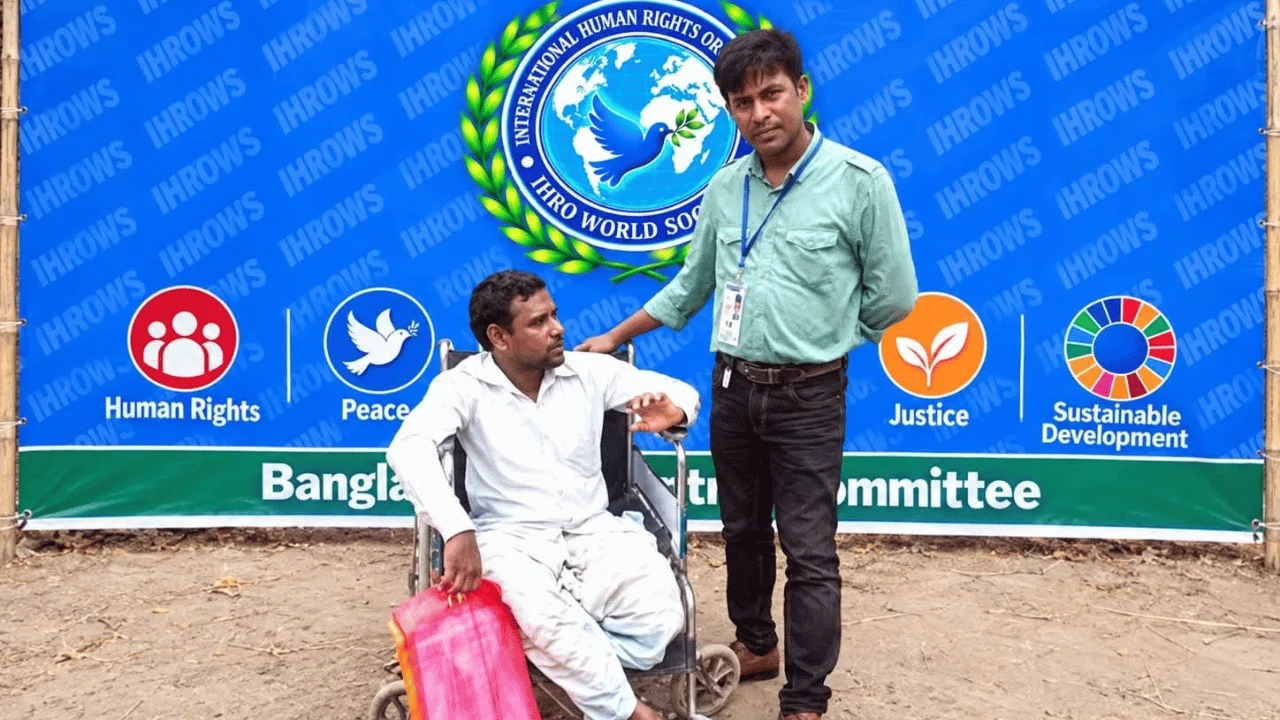
- Persons with disabilities.
- Older persons.
- Low-income households.
- Rural populations.
- Marginalized groups.
- People affected by disasters or displacement.
Inclusion means more than inviting people to meetings. It means removing barriers that prevent them from participating effectively.
The United Nations’ SDG 11 emphasizes inclusive, safe, resilient, and sustainable communities and calls for participatory and integrated planning (United Nations, 2015).
Community Development and the Sustainable Development Goals
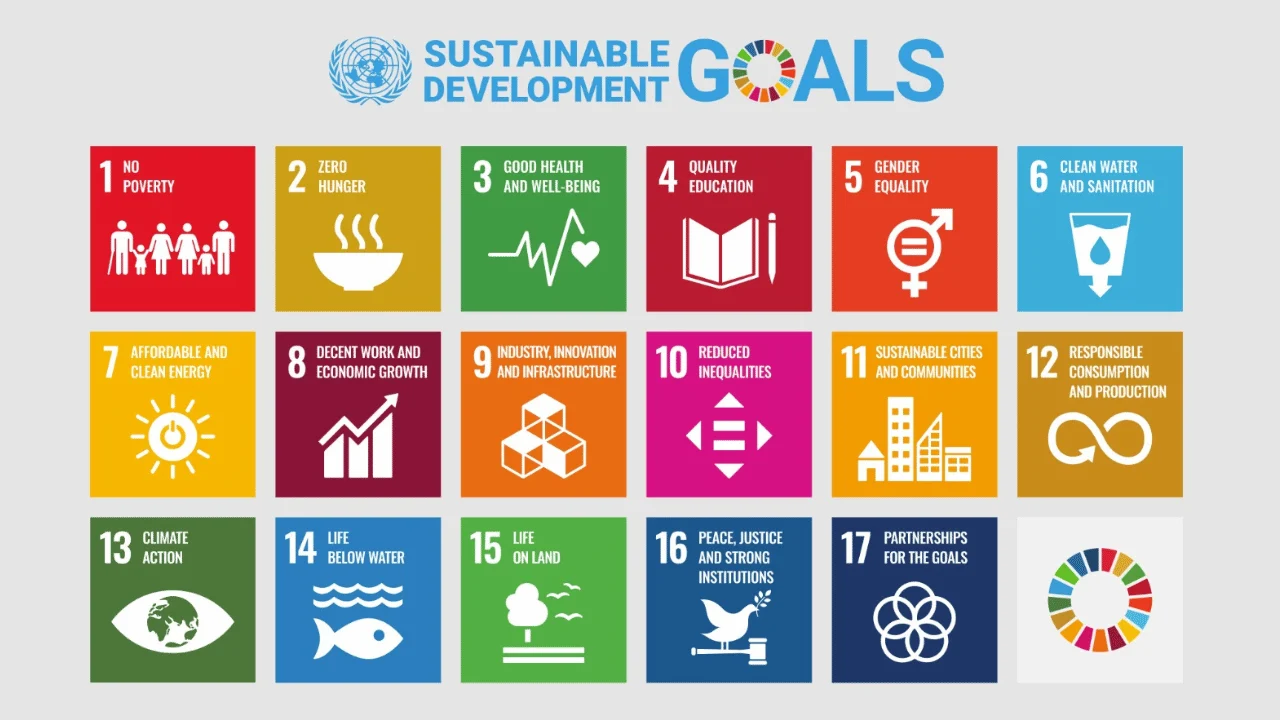
Community development contributes directly to the achievement of the United Nations Sustainable Development Goals (SDGs).
SDG 1 – No Poverty
Strengthening livelihoods, skills, social protection, and local economic opportunities can help reduce poverty.
SDG 3 – Good Health and Well-Being
Healthy communities require access to healthcare, nutrition, sanitation, and health information.
SDG 4 – Quality Education
Education and skills development strengthen individual and community capacity.
SDG 5 – Gender Equality
Women’s participation and leadership are essential for inclusive development.
SDG 8 – Decent Work and Economic Growth
Local entrepreneurship, employment, skills development, and livelihood opportunities can strengthen community economies.
SDG 10 – Reduced Inequalities
Inclusive community development can reduce social and economic exclusion.
SDG 11 – Sustainable Cities and Communities
Community participation, resilient infrastructure, inclusive planning, and sustainable settlements are central to SDG 11.
SDG 13 – Climate Action
Community resilience and local climate action can reduce vulnerability to environmental risks.
SDG 16 – Peace, Justice and Strong Institutions
Accountable, inclusive, and participatory institutions strengthen social trust and good governance.
SDG 17 – Partnerships for the Goals
Community development depends upon collaboration among governments, civil society, communities, businesses, development partners, and international organizations.
The SDGs are designed as an interconnected framework, recognizing that sustainable development requires progress across economic, social, environmental, and institutional dimensions (United Nations, 2015).
The Role of IHRO World Society
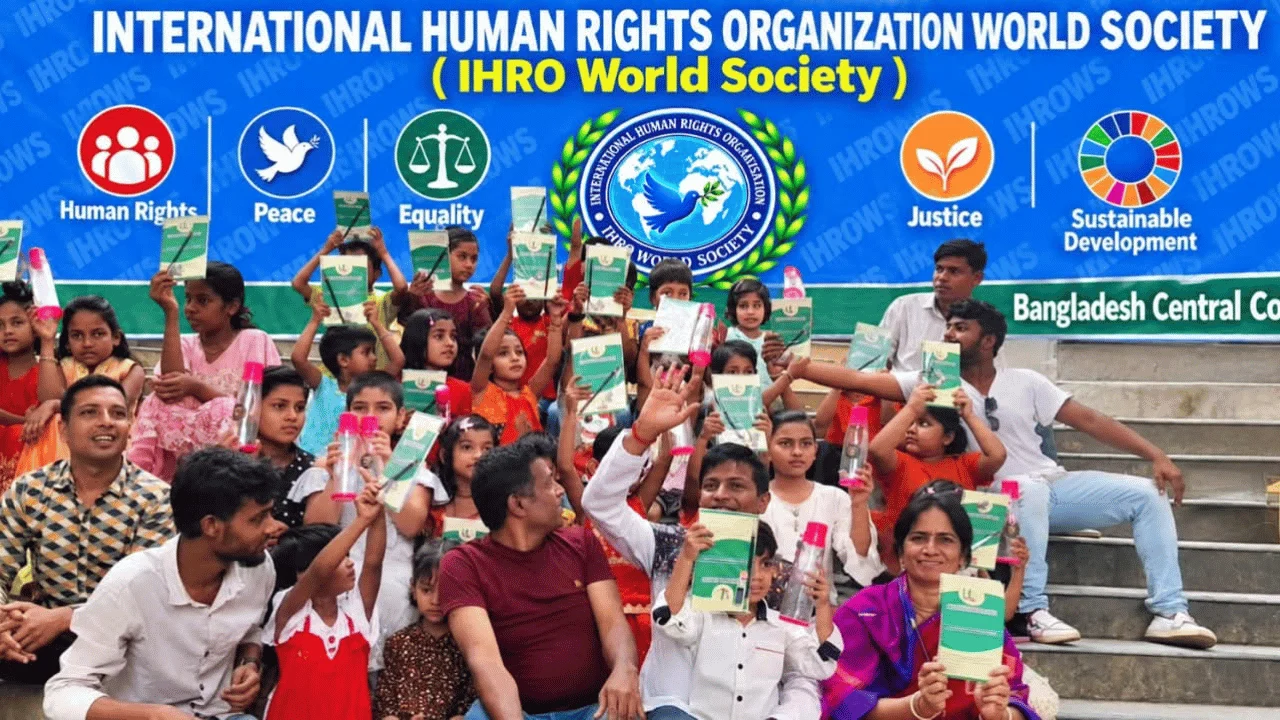
The International Human Rights Organisation World Society (IHRO World Society) recognizes community development as an important pathway for advancing human rights, equality, dignity, social justice, and sustainable development.
IHRO World Society seeks to promote community empowerment through:
- Human-rights awareness.
- Community education.
- Volunteer engagement.
- Women’s empowerment.
- Youth leadership.
- Skills and capacity building.
- Community-based advocacy.
- Social inclusion.
- Environmental awareness.
- Disaster preparedness.
- Livelihood and entrepreneurship support.
- Partnerships with local and international organizations.
- Promotion of the Sustainable Development Goals.
Our approach is guided by a simple principle:
“Empower People. Strengthen Communities. Build a Better Future.”
IHRO World Society believes that sustainable change becomes possible when people have the knowledge, confidence, resources, opportunities, and partnerships necessary to shape their own communities.
Volunteerism and Community Action
Volunteers are an important force for community development.
Volunteers can support:
- Awareness campaigns.
- Education initiatives.
- Environmental activities.
- Emergency response.
- Community surveys.
- Human-rights promotion.
- Youth programs.
- Women’s empowerment.
- Social-service activities.
- Community outreach.
Volunteerism can strengthen social solidarity and create connections between individuals, organizations, and communities.
When people contribute their time, knowledge, skills, and compassion, community development becomes a shared responsibility.
Partnerships for Sustainable Community Development
Community development cannot be achieved by one organization alone.
Effective partnerships among government, civil society, NGOs, community-based organizations, businesses, universities, professionals, volunteers, and international development partners can bring together knowledge, resources, technology, skills, and networks.
This principle is strongly aligned with SDG 17: Partnerships for the Goals.
Partnerships should be based on:
Trust + Transparency + Shared Responsibility + Participation + Accountability
The ultimate objective should be to create long-term local capacity rather than dependency.
A Call to Action
Community development begins when people believe that change is possible—and decide to work together to make it happen.
Governments can create enabling policies and provide essential services.
Civil society organizations can mobilize communities and promote rights.
Businesses can create employment and invest in local development.
Educational institutions can build knowledge and skills.
Young people can lead innovation and volunteer action.
Women can strengthen leadership and economic participation.
And every individual can contribute to the well-being of their community.
A stronger community begins with empowered people.
Conclusion
Community development is ultimately about people.
It is about creating communities where individuals are respected, rights are protected, opportunities are accessible, voices are heard, and no one is left behind.
True development cannot be measured only by roads, buildings, income, or infrastructure. It must also be measured by human dignity, equality, participation, social inclusion, resilience, opportunity, and the ability of people to shape their own future.
For IHRO World Society, community development is an essential part of advancing human rights and sustainable development.
Empower People. Protect Rights. Strengthen Communities. Build Resilience. Advance Sustainable Development.
By working together—and by placing people at the center of development—we can build communities that are more inclusive, equitable, resilient, peaceful, and sustainable.
References
Chen, M., & Wang, S. (2024, June 26). In Bangladesh, locally-led development delivers what people need. World Bank.
United Nations. (1948). Universal Declaration of Human Rights. United Nations.
United Nations. (2015). Transforming our world: The 2030 Agenda for Sustainable Development. United Nations.
United Nations Department of Economic and Social Affairs. (2025). Goal 11: Sustainable cities and communities. United Nations.
World Bank. (2022, June 27). Building community institutions to fight poverty in rural Bangladesh. World Bank.
World Bank. (2025). Community and local development. World Bank Group.