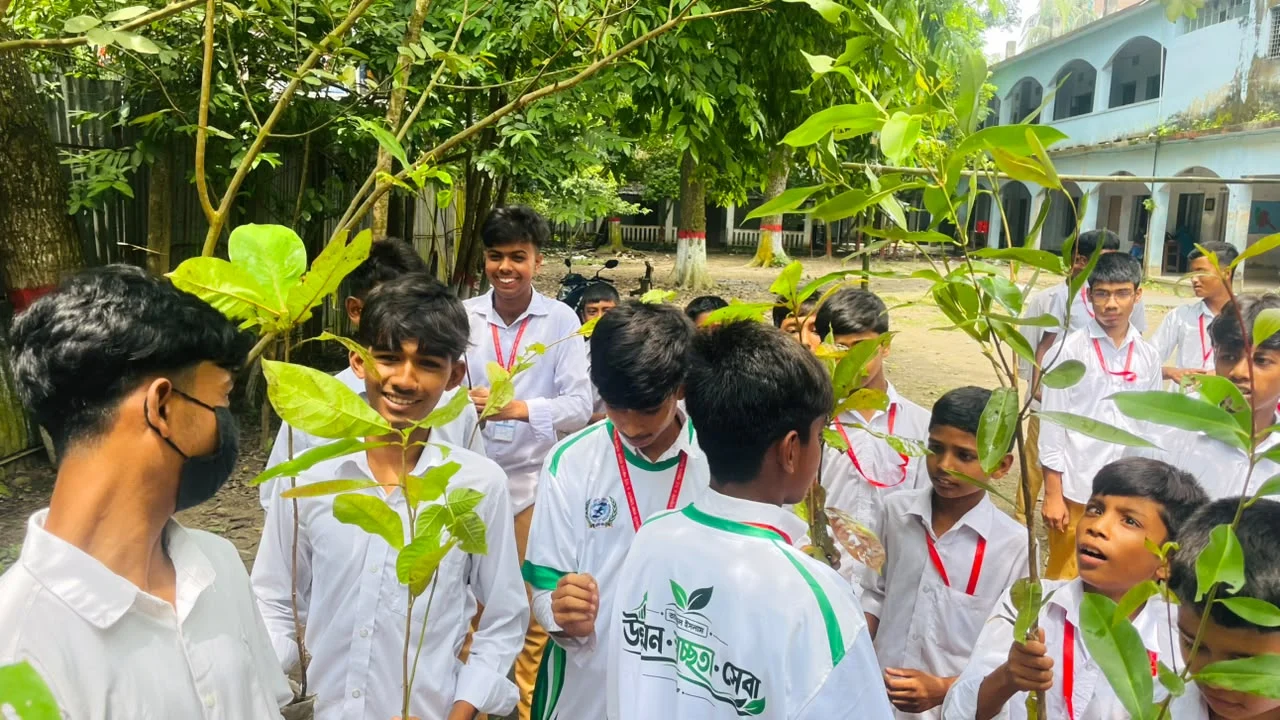

Climate Change & Global Warming: A Human Rights and Sustainable Development Challenge
International Human Rights Organisation World Society (IHRO World Society)
Introduction
Climate change and global warming are among the greatest challenges facing humanity in the twenty-first century. They are not only environmental issues; they are also issues of human rights, health, poverty, food security, water security, livelihoods, migration, gender equality, child protection, workers’ rights, and sustainable development.
The United Nations identifies climate change as a global challenge affecting people in every country and notes that rising greenhouse-gas emissions are intensifying extreme weather events, sea-level rise, droughts, floods, and storms.
Climate change affects people unequally. Communities that have contributed relatively little to global greenhouse-gas emissions can nevertheless face some of the most serious consequences. Vulnerable populations—including children, women, persons with disabilities, Indigenous and minority communities, low-income households, coastal populations, farmers, fishers, and informal workers—often have fewer resources to adapt.
For the International Human Rights Organisation World Society (IHRO World Society), climate action is therefore inseparable from the protection of human dignity and fundamental rights.
Climate justice is human-rights justice.
Understanding Global Warming
Global warming refers to the long-term increase in Earth’s average temperature, primarily driven by the accumulation of greenhouse gases in the atmosphere.
Major greenhouse gases include:
- Carbon dioxide (CO₂)
- Methane (CH₄)
- Nitrous oxide (N₂O)
- Certain fluorinated gases
Human activities such as burning coal, oil, and gas, deforestation, industrial production, transportation, agriculture, and unsustainable consumption contribute significantly to greenhouse-gas emissions.
Global warming contributes to broader climate change, which includes changes in temperature, precipitation, extreme weather, sea levels, ecosystems, and other climate patterns.
The distinction is important:
Global warming = long-term increase in average temperature.
Climate change = broader long-term changes in Earth’s climate system.
Why Climate Change Is a Human Rights Issue
Human rights depend on a healthy environment and stable social conditions.
Climate change can threaten rights including:
- The right to life.
- The right to health.
- The right to food.
- The right to water.
- The right to adequate housing.
- The right to education.
- The right to work.
- The right to development.
- The right to equality.
- The right to dignity.
The Universal Declaration of Human Rights (UDHR) establishes the fundamental principle that all human beings are entitled to rights and freedoms without discrimination.
Climate change can undermine people’s ability to enjoy these rights.
When climate disasters destroy homes, livelihoods, schools, healthcare facilities, and food systems, climate change becomes a direct human-rights concern.
Climate Change and Human Dignity
Human dignity is at the centre of human rights.
A person cannot fully enjoy dignity when they:
- Lack safe drinking water.
- Lose their home to flooding.
- Cannot grow food because of drought.
- Lose employment because of climate impacts.
- Are forced to migrate.
- Cannot access healthcare after a disaster.
- Live in extreme heat without adequate protection.
Climate action must therefore protect not only ecosystems but also the people whose lives and livelihoods depend upon them.
Climate Change and Global Inequality
Climate change does not affect everyone equally.
People with greater financial resources may be able to:
- Relocate.
- Rebuild homes.
- Obtain insurance.
- Access healthcare.
- Install cooling systems.
- Protect agricultural assets.
- Adapt their businesses.
Poor and marginalized communities may have far fewer options.
This creates a fundamental issue of climate inequality.
The climate crisis is also an inequality crisis.
Climate policies should therefore prioritize communities that are most exposed and least able to adapt.
Climate Change and Women
Climate change has significant gender dimensions.
Women and girls can face increased risks because of unequal access to:
- Land.
- Income.
- Employment.
- Education.
- Healthcare.
- Financial resources.
- Decision-making.
In climate-vulnerable communities, women may carry greater responsibilities for obtaining water, food, childcare, and household resources.
At the same time, women are powerful agents of climate resilience.
They should therefore be included as:
- Decision-makers.
- Community leaders.
- Climate advocates.
- Entrepreneurs.
- Researchers.
- Environmental educators.
- Disaster-response leaders.
Climate action must be gender-responsive and inclusive.
This directly supports SDG 5: Gender Equality.
Climate Change and Children
Children are particularly vulnerable to climate-related risks.
Climate change can affect children’s:
- Health.
- Nutrition.
- Education.
- Safety.
- Mental well-being.
- Family stability.
- Future employment opportunities.
Floods, cyclones, heatwaves, droughts, food insecurity, and displacement can interrupt education and expose children to additional protection risks.
A child-centred climate policy should therefore integrate:
- Child protection.
- Education continuity.
- Nutrition.
- Healthcare.
- Safe water.
- Disaster preparedness.
- Mental-health support.
Protecting children from climate change means protecting the future of humanity.
Climate Change and Persons with Disabilities
Persons with disabilities can face additional barriers during climate-related emergencies.
These may include:
- Inaccessible shelters.
- Lack of accessible warnings.
- Transportation barriers.
- Communication barriers.
- Disruption of assistive devices.
- Limited access to emergency healthcare.
Climate and disaster-risk programmes must therefore be disability-inclusive.
Emergency planning should ensure accessible:
- Warning systems.
- Evacuation procedures.
- Shelters.
- Transportation.
- Healthcare.
- Communication.
No climate action is truly inclusive if persons with disabilities are left behind.
Climate Change and Indigenous & Minority Communities
Indigenous and minority communities may have particularly close relationships with forests, rivers, hills, agricultural lands, and other ecosystems.
Climate change can threaten:
- Traditional livelihoods.
- Food security.
- Cultural practices.
- Indigenous knowledge.
- Land security.
- Community identity.
At the same time, Indigenous and local communities often possess valuable knowledge about biodiversity, agriculture, forests, water management, and climate adaptation.
Their knowledge and participation should therefore be respected and incorporated into appropriate climate policies.
Climate Change and Workers’ Rights
Climate change is increasingly affecting the world of work.
Extreme heat, floods, storms, droughts, and environmental degradation can affect:
- Worker health.
- Occupational safety.
- Productivity.
- Income.
- Employment.
- Working conditions.
- Migration.
- Enterprise resilience.
The ILO notes that climate change and environmental degradation create significant risks for economic growth and employment, while climate action can also create opportunities for new and better jobs if the transition is properly managed.
Workers in agriculture, construction, transport, manufacturing, fisheries, and informal employment can be particularly exposed.
Climate policy must protect workers as well as the environment.
The Importance of a Just Transition
The transition toward a low-carbon economy can create opportunities but may also disrupt existing jobs and livelihoods.
A Just Transition seeks to ensure that environmental transformation is accompanied by:
- Decent work.
- Social protection.
- Skills development.
- Worker participation.
- Occupational safety.
- Gender equality.
- Inclusive economic opportunities.
- Support for affected communities.
The ILO emphasizes that a just transition can create decent jobs, strengthen social protection, improve workplace safety, and uphold labour rights.
A green economy must also be a fair economy.
Green Jobs
Climate action can create opportunities for employment in areas such as:
- Renewable energy.
- Solar power.
- Energy efficiency.
- Sustainable transport.
- Recycling.
- Waste management.
- Sustainable agriculture.
- Environmental restoration.
- Green construction.
- Climate-resilient infrastructure.
The ILO highlights the potential for climate action and environmental transitions to reshape labour markets while creating opportunities for green employment.
Young people should be equipped with the skills necessary to participate in emerging green economies.
Climate Change and Health
Climate change can affect physical and mental health.
Risks include:
- Heat-related illness.
- Respiratory problems.
- Waterborne diseases.
- Malnutrition.
- Injuries from extreme weather.
- Mental-health impacts.
- Disruption of healthcare services.
Health systems therefore need to become more climate-resilient.
Climate action should include:
- Public-health preparedness.
- Heat-health plans.
- Safe drinking water.
- Nutrition programmes.
- Disease surveillance.
- Emergency medical services.
- Mental-health support.
Climate resilience is also health resilience.
Climate Change and Food Security
Agriculture depends heavily on stable climate conditions.
Climate change can affect:
- Crop yields.
- Fisheries.
- Livestock.
- Soil quality.
- Water availability.
- Food prices.
- Farmers’ incomes.
Smallholder farmers and fishing communities may face particularly serious challenges.
Climate-smart and sustainable agriculture can help communities adapt while protecting ecosystems.
Climate Change and Water Security
Water is fundamental to life.
Climate change can contribute to:
- Drought.
- Flooding.
- Salinity intrusion.
- Water contamination.
- Changing rainfall patterns.
- Pressure on freshwater resources.
Ensuring access to safe drinking water is therefore both a development priority and a human-rights concern.
Climate Change and Migration
Climate-related events can contribute to human mobility.
Flooding, coastal erosion, drought, livelihood loss, and other environmental pressures can influence decisions to move.
The ILO recognizes that climate change can become an additional driver of migration and that climate-related pressures interact with employment, poverty, governance, and other factors.
Climate-related migration should therefore be addressed through:
- Safe migration policies.
- Decent work.
- Social protection.
- Climate adaptation.
- Community resilience.
- Urban planning.
- Access to essential services.
Migration should be a choice, not a consequence of having no alternatives.
Bangladesh: A Climate-Vulnerable Country
Bangladesh is widely recognized as highly vulnerable to climate change because of its geography, population density, exposure to cyclones and floods, coastal areas, river systems, and dependence on climate-sensitive livelihoods.
The ILO identifies Bangladesh as one of the world’s climate-vulnerable countries and notes risks including heat stress, rising seas, extreme weather, and livelihood impacts, particularly for informal and coastal workers.
Bangladesh faces climate-related challenges including:
- River flooding.
- Flash floods.
- Cyclones.
- Storm surges.
- Coastal erosion.
- Salinity intrusion.
- Heat stress.
- Drought.
- Water insecurity.
- Agricultural disruption.
- Climate-related displacement.
These challenges can affect millions of people’s health, livelihoods, housing, education, and economic security.
Bangladesh and Just Transition
Bangladesh’s climate response increasingly recognizes the importance of a Just Transition.
The country’s NDC 3.0 incorporates a dedicated Just Transition chapter and emphasizes issues such as social dialogue, worker participation, skills development, social protection, gender responsiveness, and inclusion.
This is particularly important because Bangladesh has a large informal workforce and significant employment in climate-sensitive sectors.
The ILO reports that Bangladesh’s current climate-transition agenda involves workers, employers, government, and other stakeholders in shaping a more inclusive approach.
Bangladesh’s climate transition must protect both people and the planet.
Climate Change and the Sustainable Development Goals
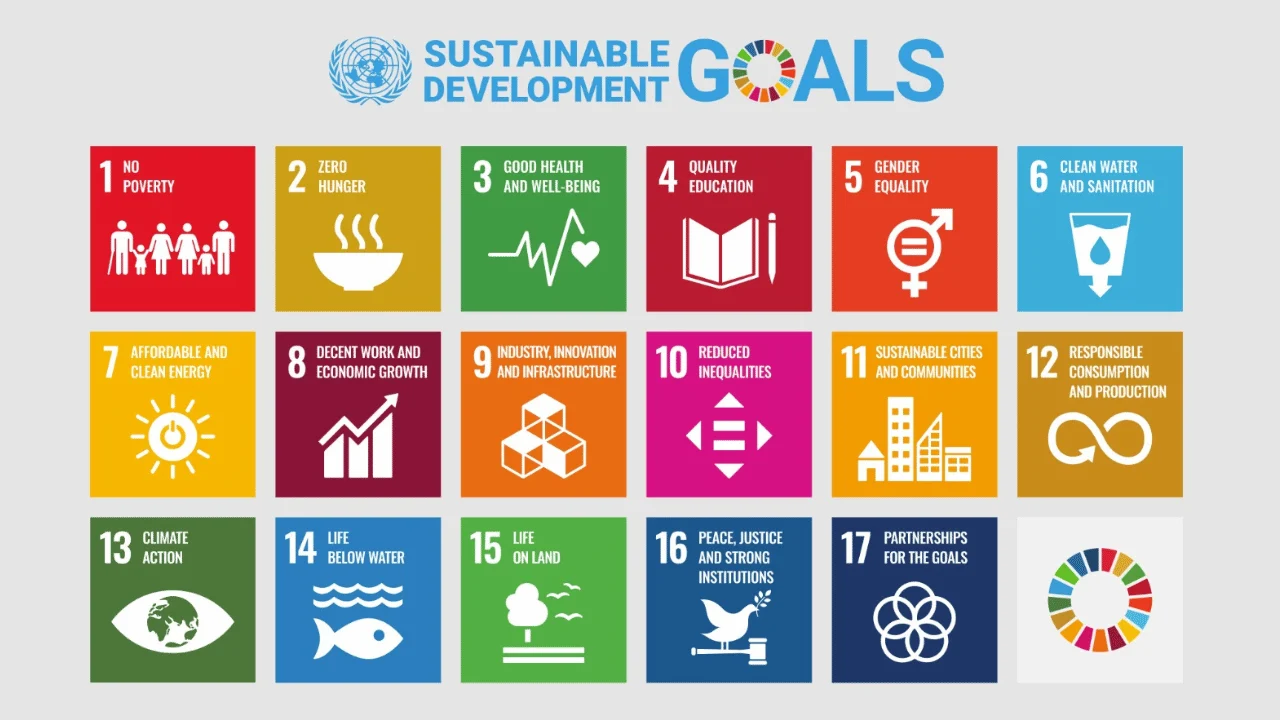
Climate action is central to the United Nations 2030 Agenda for Sustainable Development.
SDG 1 – No Poverty
Climate disasters can push vulnerable households into poverty.
SDG 2 – Zero Hunger
Climate-resilient agriculture is essential for food security.
SDG 3 – Good Health and Well-Being
Climate change threatens public health and healthcare systems.
SDG 4 – Quality Education
Climate disasters can disrupt children’s education.
SDG 5 – Gender Equality
Women and girls must be included in climate decision-making and adaptation.
SDG 6 – Clean Water and Sanitation
Water security is increasingly important under changing climate conditions.
SDG 7 – Affordable and Clean Energy
Renewable energy and energy efficiency are essential to a sustainable future.
SDG 8 – Decent Work and Economic Growth
Climate action should promote green jobs and protect workers.
SDG 10 – Reduced Inequalities
Climate policies should prioritize vulnerable populations.
SDG 11 – Sustainable Cities and Communities
Cities need climate-resilient infrastructure and inclusive planning.
SDG 12 – Responsible Consumption and Production
Sustainable production and consumption can reduce environmental pressure.
SDG 13 – Climate Action
SDG 13 calls for urgent action to combat climate change and its impacts.
SDG 15 – Life on Land
Protecting forests, biodiversity, and ecosystems strengthens climate resilience.
SDG 16 – Peace, Justice and Strong Institutions
Effective and accountable institutions are essential for climate governance.
SDG 17 – Partnerships for the Goals
Climate change cannot be addressed by one organization or country alone.
SDG 13 is not an isolated goal—it is connected to almost every dimension of sustainable development.
Climate Action and the Paris Agreement
The Paris Agreement provides the international framework for strengthening the global response to climate change.
Its central objective is to limit the increase in global average temperature and strengthen adaptation, resilience, and climate-related finance and cooperation.
Achieving these goals requires action at every level:
Global → National → Local → Community → Individual
Climate commitments must be translated into practical action.
The Role of Civil Society
Civil-society organizations have a critical role in climate action.
They can:
- Educate communities.
- Promote climate awareness.
- Support vulnerable populations.
- Monitor climate impacts.
- Advocate for climate justice.
- Promote disaster preparedness.
- Support youth leadership.
- Promote women’s participation.
- Encourage sustainable lifestyles.
- Build partnerships.
- Advocate for inclusive climate policies.
Civil society can connect international climate commitments with the realities experienced by local communities.
The Role of Youth
Young people will live with the long-term consequences of today’s climate decisions.
Youth can become:
- Climate advocates.
- Environmental volunteers.
- Researchers.
- Community educators.
- Entrepreneurs.
- Innovators.
- Conservation leaders.
- Digital campaigners.
Education and skills development can enable young people to participate in the emerging green economy.
Youth should not simply inherit the climate crisis; they should help design the solution.
The Role of Communities
Climate action begins locally.
Communities can promote:
- Tree planting.
- Waste reduction.
- Recycling.
- Water conservation.
- Renewable energy.
- Sustainable agriculture.
- Disaster preparedness.
- Community gardens.
- Coastal protection.
- Biodiversity conservation.
- Environmental education.
Local knowledge is essential for developing practical climate solutions.
The Role of Businesses
Businesses have an important role in reducing emissions and building climate resilience.
Organizations can:
- Improve energy efficiency.
- Reduce waste.
- Use renewable energy.
- Improve resource efficiency.
- Reduce pollution.
- Develop sustainable products.
- Protect workers from heat and climate risks.
- Invest in green technologies.
- Support climate-resilient supply chains.
Businesses should recognize that sustainability is not only an environmental responsibility but also a social and economic responsibility.
The Role of Workers
Workers should be active participants in climate transition.
They need:
- Training.
- Reskilling.
- Safe workplaces.
- Social protection.
- Employment opportunities.
- Participation in decision-making.
- Protection from unjust job losses.
The ILO emphasizes social dialogue and worker participation as important elements of a just transition.
No worker should be left behind in the transition to a green economy.
The Role of IHRO World Society
The International Human Rights Organisation World Society (IHRO World Society) recognizes climate change as a human-rights, development, and social-justice issue.
IHRO World Society seeks to contribute through:
- Climate-rights awareness.
- Environmental education.
- Human-rights education.
- Community development.
- Youth climate leadership.
- Women’s participation.
- Child-focused climate awareness.
- Disability-inclusive climate action.
- Disaster-risk reduction.
- Climate-resilient communities.
- Tree plantation and environmental activities.
- Waste reduction and recycling.
- Sustainable lifestyle awareness.
- Green skills and livelihood awareness.
- Workers’ rights and just-transition advocacy.
- Partnerships under SDG 17.
IHRO World Society believes that climate action must be:
People-centred. Rights-based. Inclusive. Gender-responsive. Community-driven. Sustainable.
IHRO World Society’s Climate Action Approach
Our approach can be summarized through seven interconnected priorities:
- Awareness
Build public understanding of climate change and global warming.
- Education
Promote climate education among children, youth, workers, families, and communities.
- Adaptation
Support vulnerable communities in preparing for climate-related risks.
- Mitigation
Promote actions that reduce greenhouse-gas emissions and environmental degradation.
- Resilience
Strengthen the ability of communities to withstand and recover from climate shocks.
- Justice
Ensure that vulnerable populations are not disproportionately burdened by climate change or climate policies.
- Partnership
Build cooperation among governments, civil society, communities, businesses, workers, youth, academia, and international organizations.
A Call to Action
Climate change is not a problem for tomorrow.
It is a challenge of today.
Every individual can contribute.
Governments can:
- Strengthen climate policies.
- Invest in adaptation.
- Protect vulnerable populations.
- Promote renewable energy.
- Strengthen disaster preparedness.
- Protect workers.
- Support climate-resilient development.
Businesses can:
- Reduce emissions.
- Improve energy efficiency.
- Protect workers.
- Create green jobs.
- Adopt sustainable production.
Communities can:
- Protect ecosystems.
- Reduce waste.
- Conserve water.
- Prepare for disasters.
- Support vulnerable people.
Schools can:
- Teach climate literacy.
- Encourage environmental responsibility.
- Support youth climate leadership.
Individuals can:
- Save energy.
- Reduce unnecessary consumption.
- Avoid waste.
- Reuse and recycle.
- Protect nature.
- Use sustainable transportation where possible.
- Participate in community climate initiatives.
Climate Action Is Human Action
The climate crisis may be global, but solutions are built through human choices.
A tree planted today may protect a community tomorrow.
A child educated about climate change may become tomorrow’s environmental leader.
A worker trained for a green job may strengthen an entire family’s resilience.
A community prepared for disasters may save lives.
A woman included in climate decision-making may transform the resilience of her community.
Every action matters.
Conclusion
Climate change and global warming are not only environmental challenges.
They are challenges to human rights, health, equality, livelihoods, development, peace, and the future of humanity.
The world must move from awareness to action.
From vulnerability to resilience.
From pollution to sustainability.
From exclusion to inclusion.
From environmental degradation to environmental restoration.
And from climate risk to climate justice.
For IHRO World Society, climate action means protecting both people and planet.
We believe in a future where every person has the right to live in a safe, healthy, sustainable, and resilient environment.
We believe climate justice must include women, children, workers, persons with disabilities, Indigenous Peoples, minorities, youth, and vulnerable communities.
We believe development must be sustainable—and sustainability must be inclusive.
“Protect the Planet. Defend Human Rights. Empower Communities. Leave No One Behind.”
“Climate Action Today — A Safer Future Tomorrow.”
References
International Labour Organization. (2024). Trade unions actions towards climate change and a just transition: A trade union guide. International Labour Office.
International Labour Organization. (2025). Bangladesh leads in embedding just transition at the heart of its climate action commitments. ILO.
International Labour Organization. (2025). Green employment diagnostics for a just transition. International Labour Office.
International Labour Organization. (2026). Bangladesh workers’ organisations unite to shape a just transition. ILO.
International Labour Organization. (2026). Advancing Just Transition in Bangladesh. ILO Development Cooperation Dashboard.
United Nations. (1948). Universal Declaration of Human Rights. United Nations.
United Nations. (2015). Paris Agreement. United Nations Framework Convention on Climate Change.
United Nations. (2015). Transforming our world: The 2030 Agenda for Sustainable Development. United Nations.
United Nations. (2026). Goal 13: Climate action. United Nations Sustainable Development.
World Health Organization. Climate change and health. World Health Organization.
Intergovernmental Panel on Climate Change. Climate Change 2023: Synthesis Report. IPCC.